A Solid Start: Allergies and First Foods
3 min read
Published on 10 May 2026
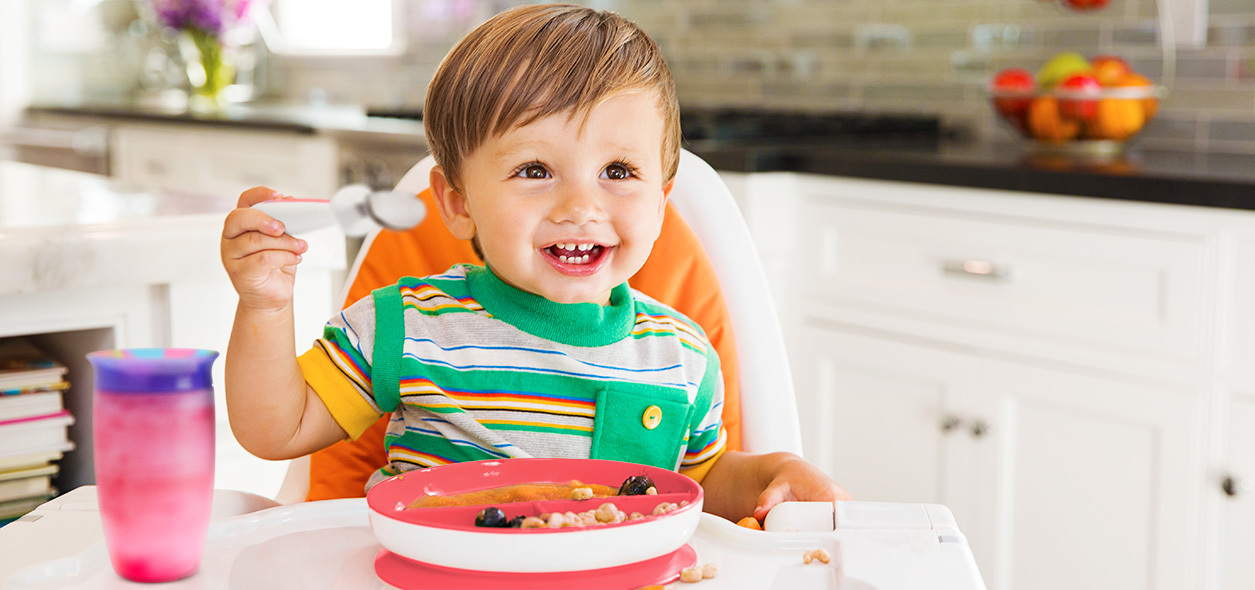
If you’ve ever spiraled over ounces, purees, or whether that bite of egg was “too soon,” you’re not alone. Introducing solid foods can feel like a test you didn’t study for! I just listened to an episode of StrollerCoaster featuring Dr. Zachary Rubin, a double board-certified pediatrician and immunology specialist (also a dad of three, including twins). It was the exhale I didn’t know I needed.
Here’s the tight, real-mom breakdown of what actually matters.
Stage One: Feed the Baby (that’s it)
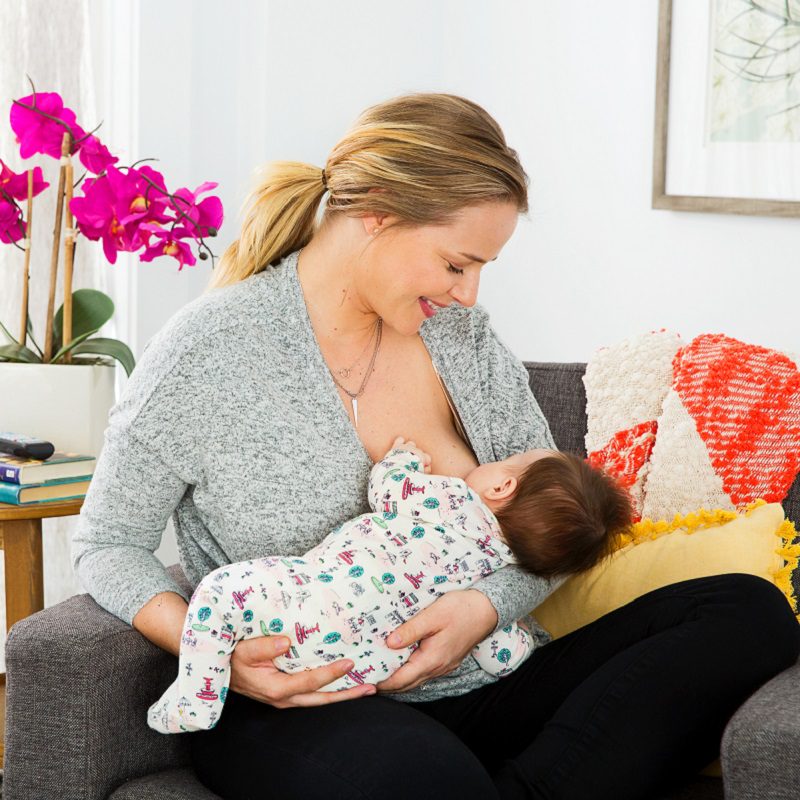
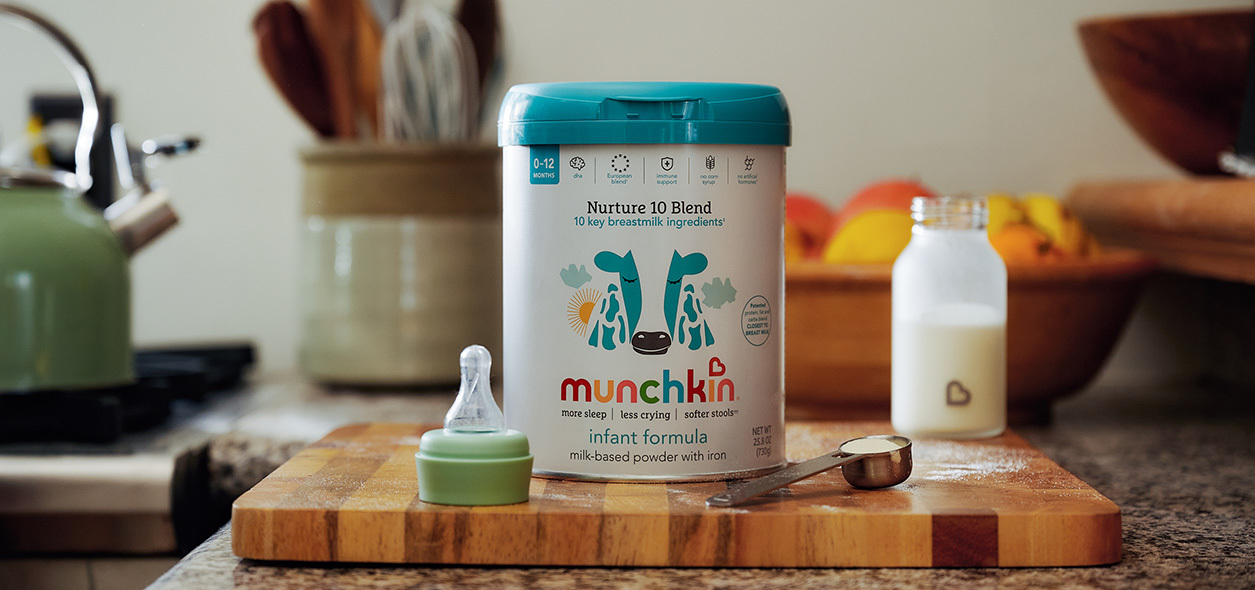
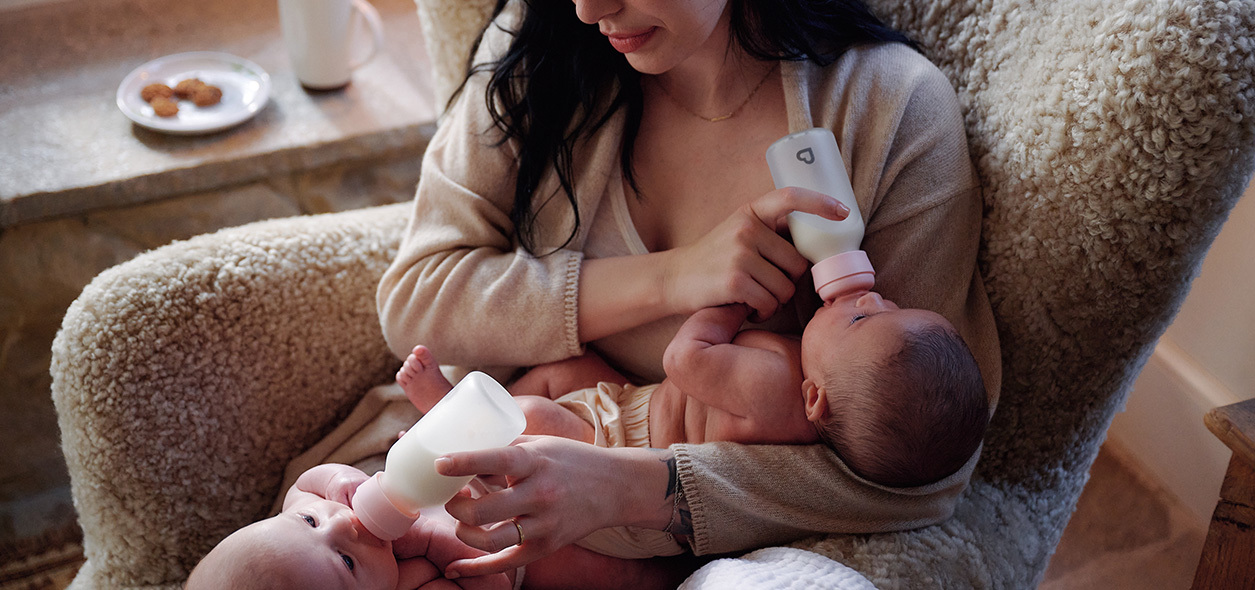
In the early newborn days, the goal is simple: calories and growth. Whether it’s breast milk or formula, both are safe, nutritious, and designed to support your baby’s development.
Spit-Up vs. Throw-Up
Spit-up can look dramatic, but most babies are what Dr. Rubin calls “happy spitters.” Their systems are still immature as their esophagus develops. Spit up is messy, but normal.
What actually matters:
- Is your baby in distress? (Do they look like they're guarding their stomach?)
- Are they growing well?
- Any unusual stools (blood, mucus)?
If those answers are reassuring, you’re likely fine. If not, that’s when to dig deeper with your pediatrician.
Takeaway: Not every mess is a problem.
Stage Two: The Start of Solids
Around 4-7 months, we are looking for good muscle control. The ability to hold up their head often signals a strong swallowing technique! This is where things get exciting and a little confusing.
Before introducing solids, look for:
- Good head mobility
- Interest in food
- Ability to swallow (not pushing food out)
Start with simple, smooth purees that are easy to digest. Only one big rule:</P
🚫 No honey before age one (serious safety risk).
Takeaway: Read your baby, not just the calendar.
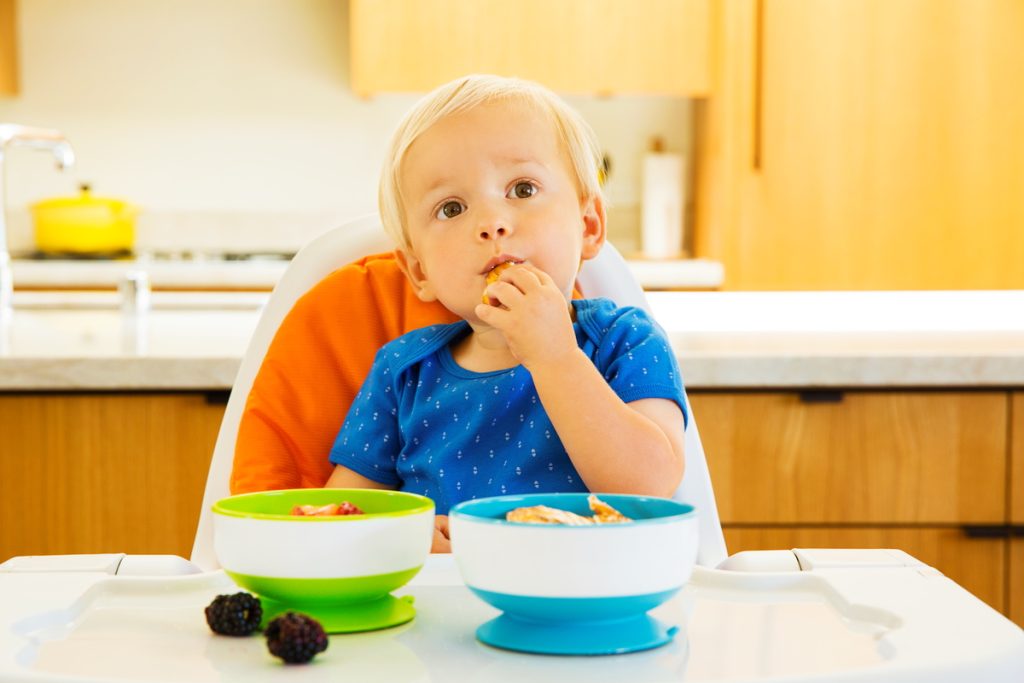
Stage 3: Life is a Buffet
6-9 months. Even though breastmilk and formula are still doing the heavy caloric lifting, now you are building out their palate. Variety is key!
This is your permission slip to:
- Add flavor (herbs, mild spices)
- Introduce new foods
- Let it be a little messy
This phase is not about how much they eat; it’s about exposure.
Takeaway: You’re raising a curious eater, not managing a perfect menu.
Stage 4: Finger Foods
9+ months. This is the time when we really want to create eating as a social experience. You may notice your baby starts to mimic your habits...a.k.a., a great time to cut up whatever you're enjoying into small portions, make it softer if necessary (also make sure you're not adding sugar or too much salt).
Bon Appetit!
Babies start:
- Grabbing food
- Exploring textures
- Learning to chew and self-feed
It’s less about spooning things in and more about letting them discover food on with all their senses. They see, smell, touch, taste, and decide on their terms if it’s for them.
Takeaway: Let them play. That’s how they learn.
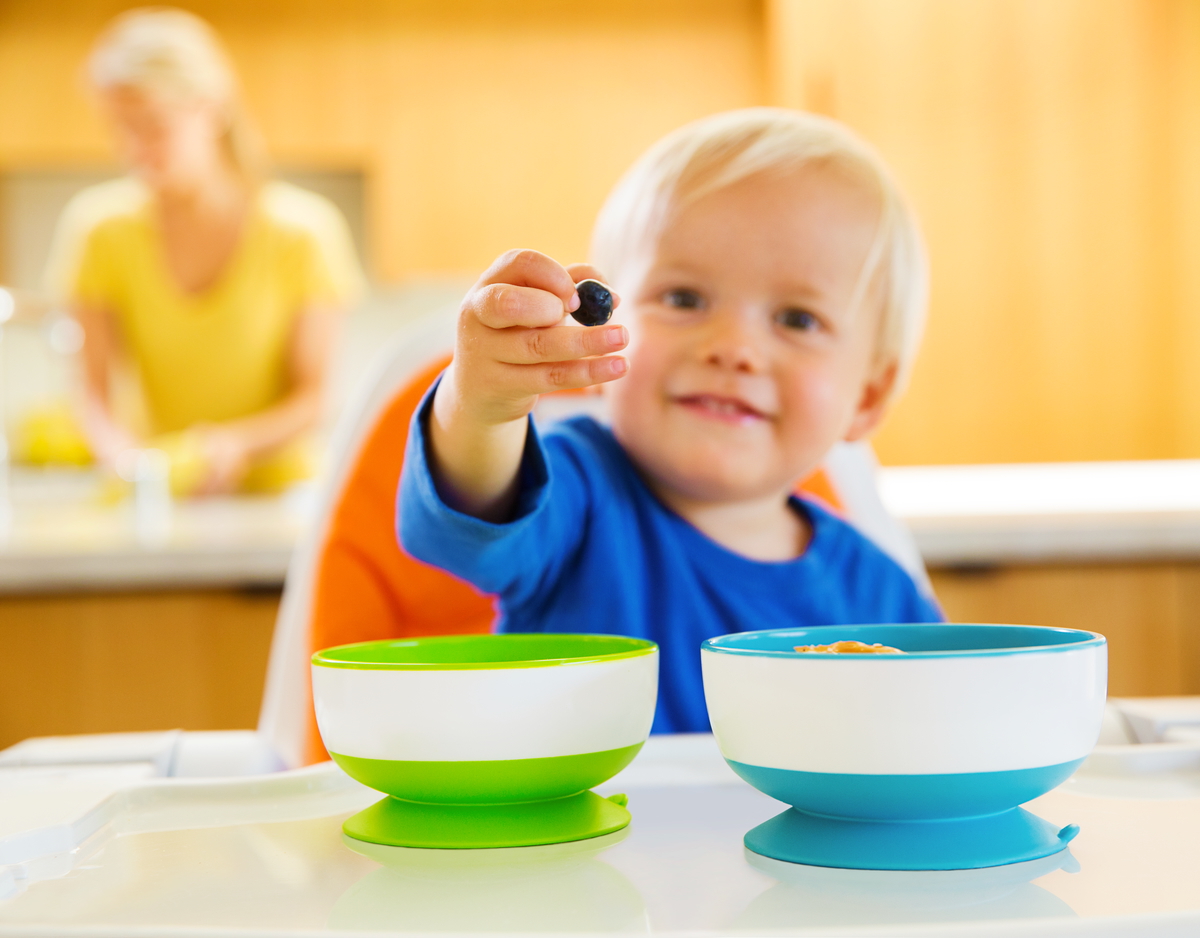
Allegries: Why Timing Matters
Dr. Rubin confirms that early, consistent exposure can actually help reduce allergy risk, especially for most babies. Based on the past 10 years of clinical guidelines, that means:
- Peanut
- Egg
- Dairy
- Wheat
If your baby has severe eczema or other risk factors, talk to your pediatrician about a more guided approach. You do not have to park outside of an emergency room to try peanut butter or eggs, etc.
Takeaway: Avoiding allergens isn’t protective; thoughtful exposure is.
Dr. Rubin said it best, “Don’t sweat the small stuff.” Across the board.
One bad meal? We'll live.
A picky phase? Normal.
A week of chaos? Happens.
Zoom out. Look at their patterns, not the moments.
Lastly, maybe the most grounding reminder: You offer the food. They decide what to do with it. So, don’t sweat.
Listen Here: A Solid Start: Allergies and First Foods
* A heartfelt thank you to TARGET for their sponsorship of these special Stroller Coaster episodes.
Munchkin