Breast Milk Storage: Do's & Don'ts
10 min read
Published on 19 Sept 2026
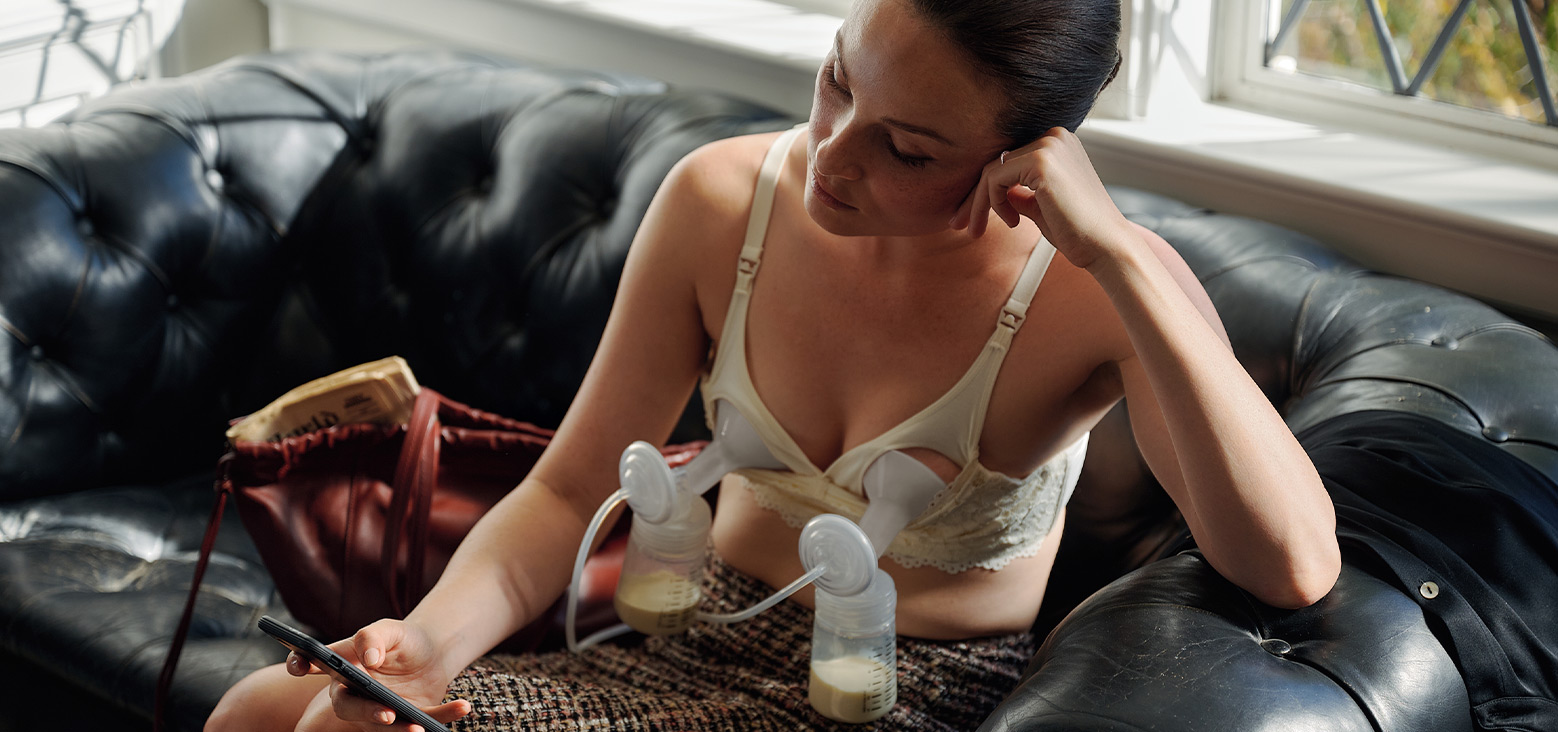
Freshly expressed breastmilk can stay at room temperature for up to 4 hours, in the refrigerator for up to 4 days, and in the freezer for about 6 months for the best quality.
According to the CDC breastmilk storage guidelines, freezer storage for up to 12 months is also acceptable. The breast milk storage chart below brings together the CDC limits for freshly expressed, thawed, and leftover breastmilk. Additional guidance for warming milk appears later in this article.
Breast Milk Storage Chart: How Long Does Breast Milk Last?
Storage time changes once breastmilk is thawed, warmed, or offered to your baby. Use the chart below to identify the limit that matches the milk’s current condition.
| Type of breastmilk | Room temperature 77°F (25°C) or colder | Refrigerator 40°F (4°C) or colder | Freezer 0°F (-18°C) or colder |
| Freshly expressed or pumped | Up to 4 hours | Up to 4 days | About 6 months is best; up to 12 months is acceptable |
| Thawed after previously being frozen | 1 to 2 hours | Up to 24 hours after it is completely thawed | Do not refreeze after it is completely thawed |
| Left after a feeding | Use within 2 hours after your baby finishes feeding | Discard after the 2-hour limit | Do not freeze for later use |
Source: CDC Breast Milk Storage and Preparation
The 24-hour period for refrigerated, thawed breastmilk begins when the milk is completely thawed, not when you remove it from the freezer.
These guidelines apply to healthy, full-term babies. If your baby was born prematurely, is hospitalized, or is medically fragile, follow the storage and handling instructions provided by your care team.
How Long Can Breastmilk Sit Out at Room Temperature?
Freshly expressed breastmilk can sit out for up to 4 hours when the room temperature is 77°F (25°C) or colder. However, the CDC advises refrigerating breastmilk sooner if the room is warmer or the milk will not be used within a few hours.
Room temperature can affect how long breastmilk can remain out. If you cannot confirm how warm the room became or how long the milk was out, discard it rather than extending the storage time. These limits should not be combined. For instance, warming refrigerated milk does not give it another 4 hours on the counter.
Previously frozen breastmilk has a shorter limit. After it has completely thawed, it can remain at room temperature for 1 to 2 hours. Breastmilk that has been warmed or brought to room temperature should be used within 2 hours.
How Long Does Breastmilk Last in the Refrigerator and Freezer?
Freshly expressed breastmilk can remain in a refrigerator at 40°F (4°C) or colder for up to 4 days. If you do not expect to use it within that period, the CDC recommends freezing it as soon as possible to help protect its quality.
Place breastmilk toward the back of the refrigerator, where the temperature is more consistent. Do not store it in the door. An appliance thermometer can help confirm that the refrigerator remains at 40°F or colder.
In a freezer kept at 0°F (-18°C) or colder, using breastmilk within about 6 months provides the best quality. Storage for up to 12 months is acceptable. According to the CDC breastmilk storage FAQ, the type of freezer does not change these limits as long as it remains at 0°F or colder.
Count the milk’s age from the date it was first frozen. Moving it to another freezer does not restart the storage period. The CDC advises moving frozen milk quickly and packing it on ice packs so it remains frozen during the transfer.
How Should You Store, Portion, and Label Breastmilk?
Store expressed breastmilk in a purpose-designed breastmilk storage bag or a clean, food-grade glass or plastic container with a tight-fitting lid. The CDC advises against using ordinary plastic bags or disposable bottle liners because they are not designed for breastmilk storage.
Before expressing or handling milk, wash your hands well with soap and water. Use clean pumping equipment and containers to reduce the risk of contamination. If soap and water are unavailable, the CDC advises using an alcohol-based hand sanitizer containing at least 60% alcohol.
The CDC recommends the following storage, portioning, and labeling practices:
- Choose a practical portion. Store 2 to 4 oz, or the amount your baby usually takes during one feeding. Smaller portions can help reduce waste.
- Leave room for expansion. Leave about one inch of space at the top because breastmilk expands as it freezes.
- Label the container. Write the date the milk was expressed. Add your baby’s name if you are sending it to a childcare provider.
- Use the oldest milk first. Place newly stored containers behind older ones.
- Keep temperatures consistent. Store containers toward the back of the refrigerator or freezer rather than in the door.
When you are ready to feed, gently swirl the container to recombine any fat that has separated. Separation during storage is normal.
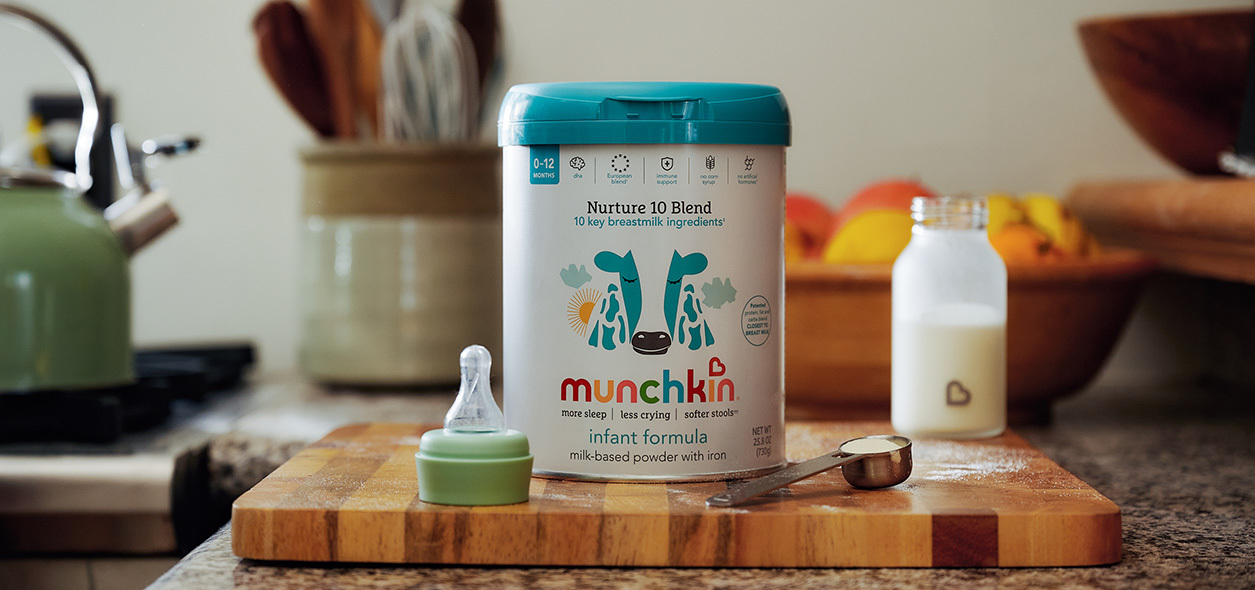
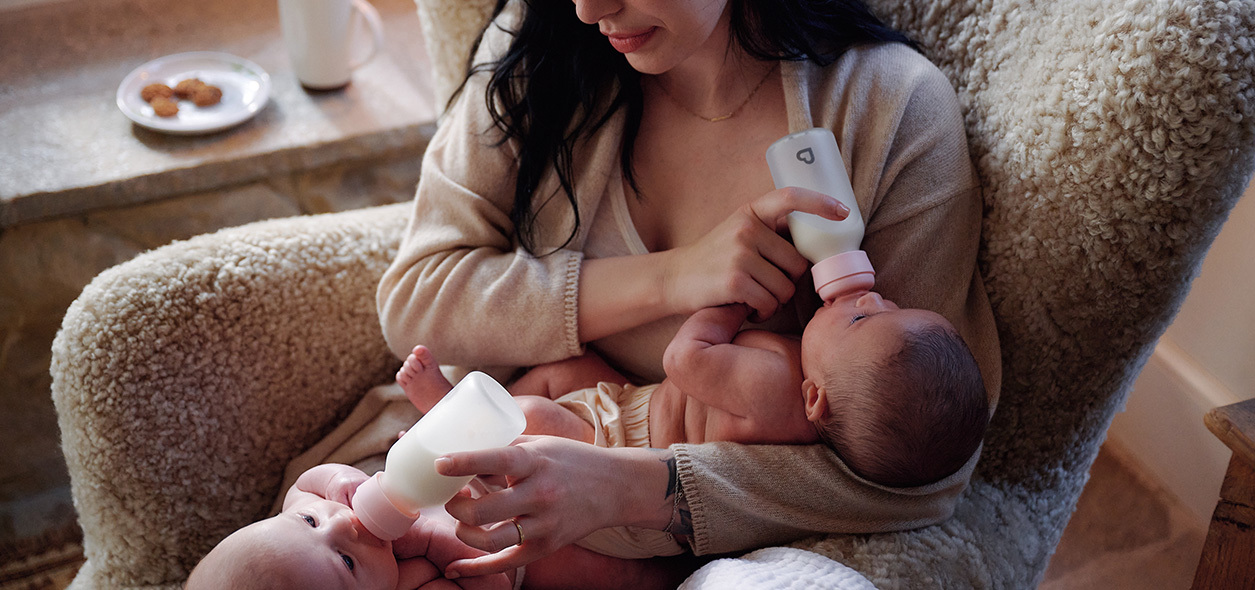
Munchkin supports pumping and bottle-feeding routines with bottles, breastmilk collectors, and other products in its infant feeding collection. Regardless of the container or feeding product you use, follow the CDC’s storage times and handling instructions.
How Do You Thaw and Warm Stored Breastmilk Safely?
Thaw frozen breastmilk overnight in the refrigerator, in a container of warm or lukewarm water, or under lukewarm running water. Use the oldest stored milk first to help maintain a consistent first-in, first-out routine.
Follow these steps when thawing and warming breastmilk:
- Keep the container sealed: This helps prevent water or other contaminants from entering the milk.
- Thaw the milk gradually: Place it in the refrigerator overnight or use warm or lukewarm water. Do not thaw breastmilk in boiling water or directly on the stove.
- Start the 24-hour clock when the milk is fully thawed: If breastmilk thaws in the refrigerator, the CDC says to use it within 24 hours. Count from the time no ice crystals remain, not from the time you remove it from the freezer.
- Warm only if your baby prefers it: Breastmilk does not need to be warmed. It can be offered cold or at room temperature.
- Check the temperature before feeding: If you warm the milk, place the sealed container in warm water or hold it under warm running water. Test a few drops on your wrist before offering it to your baby.
Never thaw or heat breastmilk in a microwave. Microwaving can reduce some nutrients and create uneven hot spots that may burn your baby’s mouth. Once breastmilk has been warmed or brought to room temperature, use it within 2 hours.
For more guidance on safe warming methods, read how to warm a baby bottle safely.
Can You Refreeze Breastmilk or Reuse Milk Left After Feeding?
Do not refreeze breastmilk after it has completely thawed. However, the CDC explains that milk that still contains visible ice crystals is considered frozen and may be refrozen.
If breastmilk thaws completely in the refrigerator, use it within 24 hours from the time it becomes fully thawed. If it is thawed in warm water or brought to room temperature, use it within 2 hours. Discard any milk that remains after the applicable period.
Different rules apply once your baby begins drinking from a bottle. Use any milk left after feeding within 2 hours from the time your baby finishes. After 2 hours, discard it. Returning the bottle to the refrigerator does not pause or extend this limit.
To reduce waste, begin with a smaller amount and offer more in a clean bottle if your baby is still hungry. Do not add fresh milk to a bottle your baby has already drunk from. Milk remaining in that bottle has come into contact with your baby’s saliva and must follow the 2-hour leftover rule.
Frequently Asked Questions
Can you mix breastmilk from different pumping sessions?
Yes, after cooling the newly expressed milk first. The CDC advises against adding warm milk directly to refrigerated or frozen milk because it can warm the older milk. When combining cooled milk from different days, calculate the storage limit from the date of the oldest milk.
Why does stored breastmilk smell soapy or metallic?
Storage can sometimes change the smell or taste of human milk. La Leche League International notes that changes related to fat breakdown, oxidation, and freezing may contribute to these differences. Follow CDC storage and handling limits regardless of how the milk smells or tastes. If you are unsure whether stored milk is safe to use, consult your pediatrician or lactation consultant.
How long can breastmilk stay in a cooler bag?
According to the CDC’s breastmilk storage guidance, expressed breastmilk can remain in an insulated cooler with frozen ice packs for up to 24 hours. At your destination, use the milk, refrigerate it, or freeze it.
Can breastmilk be stored in a shared refrigerator?
Yes. The CDC states that expressed breastmilk is food and can be stored with other foods in a refrigerator suitable for food storage. Keep it in a sealed container and label it with your name and the expression date when using a workplace or shared refrigerator.
What should you do with frozen breastmilk during a power outage?
Keep the refrigerator and freezer doors closed. According to the CDC breastmilk storage FAQ, a full, unopened freezer can keep food frozen for about 48 hours. A half-full freezer can do so for about 24 hours. Breastmilk that still contains ice crystals may be refrozen. If it has completely thawed but remains cold, refrigerate it and use it within 24 hours after it fully thawed, or discard it.
This article is for general informational and educational purposes only and is not intended as medical advice. The storage times here are based on current CDC guidelines for healthy, full-term infants. If you are unsure whether stored breastmilk is safe to use, discard it and consult your pediatrician or lactation consultant if you have questions. For questions about breastfeeding, pumping, or your milk supply, consult your pediatrician or a lactation consultant.
References
- Centers for Disease Control and Prevention, Breast Milk Storage and Preparation - https://www.cdc.gov/breastfeeding/breast-milk-preparation-and-storage/handling-breastmilk.html
- La Leche League International, Smell of Stored Human Milk - https://llli.org/breastfeeding-info/smell-human-milk/
Munchkin