Formula Feeding: The Data, The Science, and The Real-Life Decisions
4 min read
Published on 10 May 2026
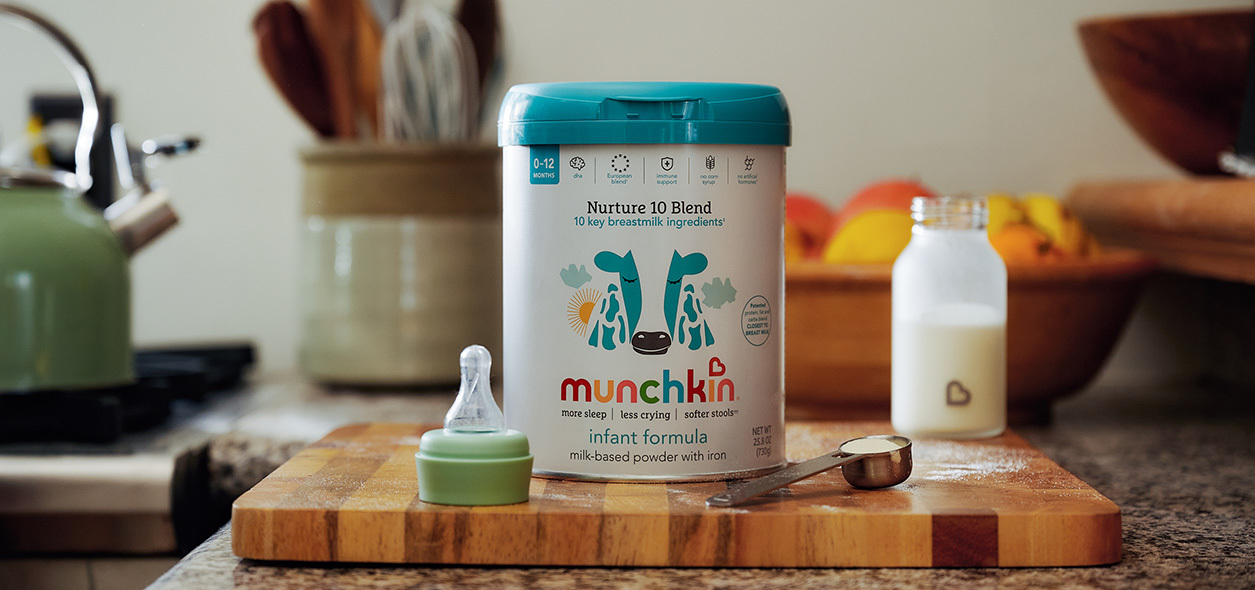
One of the most overwhelming decisions new parents face is how to feed a newborn. Between social media, well-meaning advice, and conflicting “rules,” it can feel nearly impossible to separate fact from feeling. Recently, Stroller Coaster cut through the noise with two experts to explore what formula is made of and how parents are actually using it.
Dr. Cindy Barber has a PhD in biochemistry and decades of experience as an innovator in the world of infant nutrition. Having developed hundreds of formulas, she says, “Infant formula is built from the core macronutrients needed for growth and development, which are protein, carbohydrates, and fats. I think it can feel intimidating to young parents when they're looking at the label of a formula can. Quite complex.”
Most formulas are cow milk-based, but there are also goat milk, soy-based, and organic options. Some go a step further to include lactoferrin or beta-palmitate, a structured fat that supports easier calcium absorption to help with energy use and bone development. All of them include vitamins you're familiar with, like the B vitamins, vitamin C, vitamin D, vitamin E, vitamin A, only they use their scientific names, which makes it all feel complicated.
At the end of the day, the question isn’t “is formula good or bad?” but “which formula works best for your baby?”
What Are Actual Parents Actually Doing?
While over 90% of moms in the U.S. start with breastfeeding, that number drops quickly. What replaces it?
Combo feeding, a blend of breastfeeding and pumping, plus formula and it isn’t the exception, it’s the new norm.
Culturally, we may still talk about feeding as a binary choice, but in practice, it’s much more fluid. Parents adjust based on work, supply, mental health, logistics, and what simply works for their baby.
The Formula Misconception Problem
A lot of noise around formula comes from misunderstood science!
Studies claim that breastfed babies have better long-term outcomes, from higher IQs to fewer illnesses, but as CEO of ParentData, economist, and researcher Emily Oster points out, many of these studies blur a critical line: correlation vs. causation.
Parents who breastfeed often have different socioeconomic backgrounds, access to resources, and support systems. When researchers control those differences by comparing siblings within the same family, the long-term gaps shrink significantly. That doesn’t mean breast milk has no benefits. It does, particularly in early immunity support, but the sweeping claims are often overstated.
Finding Balance
There isn’t one “right” way, there’s only the one that works for your life. “I think the first message is give yourself a break, “Emily says, “The most important thing is to just accept like, it's okay if this doesn't work. This is not my first failure as a parent...Also, it can be quite challenging to breastfeed. It's not that easy and the US does not provide a lot of support for people to do this.”
Remember that introducing something new takes time. If your baby's fussy, gassy on formula, give it some time. Don't immediately blame the formula; we need to give the baby time to adjust for a couple of weeks.
Breastfeeding moms can maintain supply by substituting pumping when they would otherwise be nursing. Your supply will regulate to meet the demand.
You could:
- Start breastfeeding, then introduce formula later
- Combo feed from day one
- Transition fully to formula over time
Then adjust daily! The key is understanding that both breast milk and formula provide the nutrients your baby needs and supporting yourself with the tools that keep you empower adaptability. From there, it becomes a question of sustainability for your schedule, your body, and your well-being.
A Better Way Forward While many brands are beginning to recognize that parents don’t need rigid solutions, they need support across every stage of feeding, Munchkin has tailored their offerings to support a full 360 ecosystem. From plastic-free bottles to lactation resources to thoughtfully developed formula, it’s about meeting families where they are in the moment. The goal isn’t perfection. It’s a fed baby. A supported parent. And decisions made with confidence (which comes from clarity).
Listen Here: Formula Feeding: The Data, The Science, and The Real-Life Decisions
Munchkin