
Raise with Care:
A Parenting Blog
Raise with Care:
A Parenting Blog

Feeding Schedule With Solids and Formula: Bottle Guide
Balancing bottles and solid foods does not require a strict timetable. A feeding schedule with solids and formula should gradually add meals around your baby’s usual milk feeds. Breastmilk or infant formula remains your baby’s primary source of nutrition throughout the first year, while solid foods provide additional nutrients and help build eating skills. Most […]
4 Aug 2026
14 min read
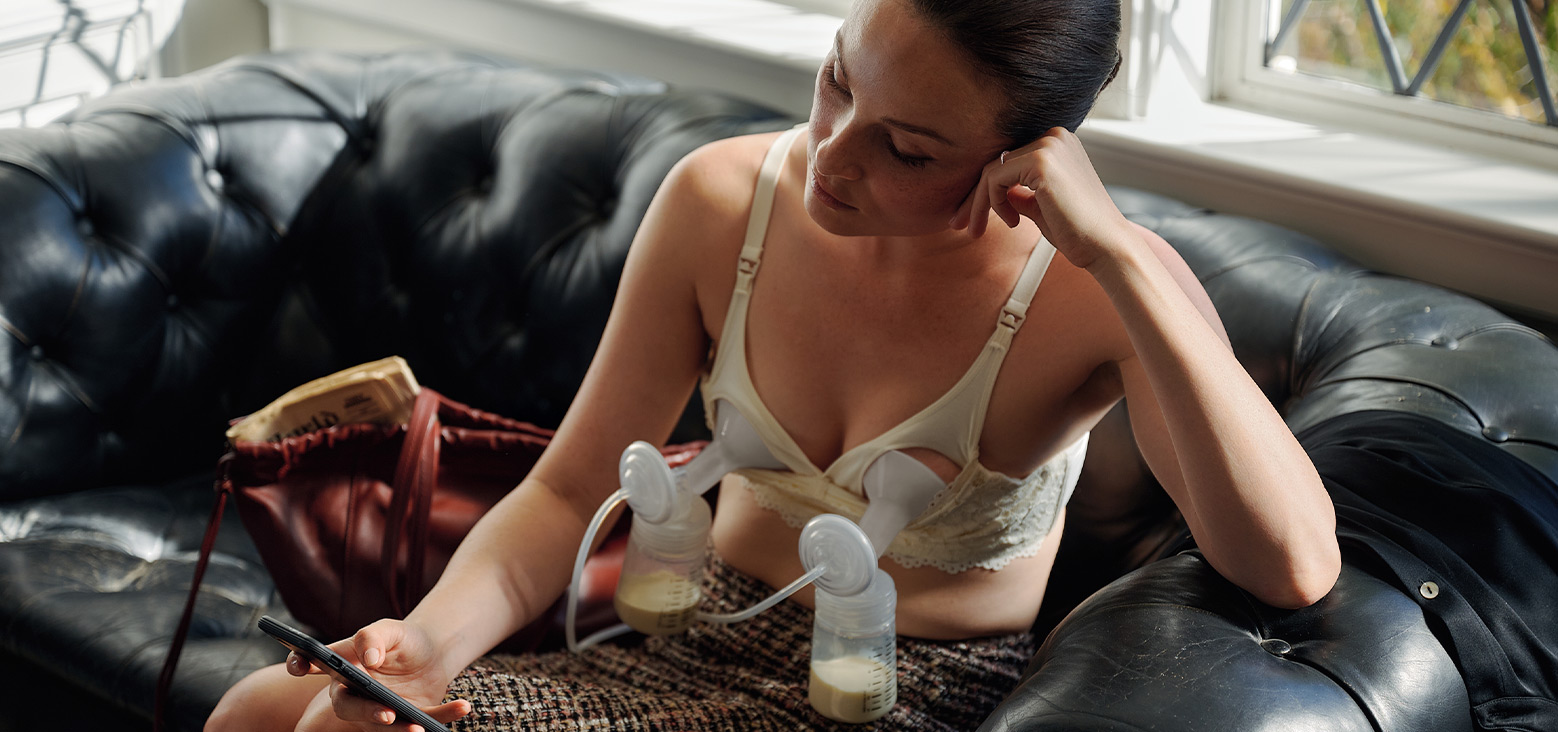
Breast Milk Storage: Do's & Don'ts
Freshly expressed breastmilk can stay at room temperature for up to 4 hours, in the refrigerator for up to 4 days, and in the freezer for about 6 months for the best quality. According to the CDC breastmilk storage guidelines, freezer storage for up to 12 months is also acceptable. The breast milk storage chart […]
19 Sept 2026
10 min read
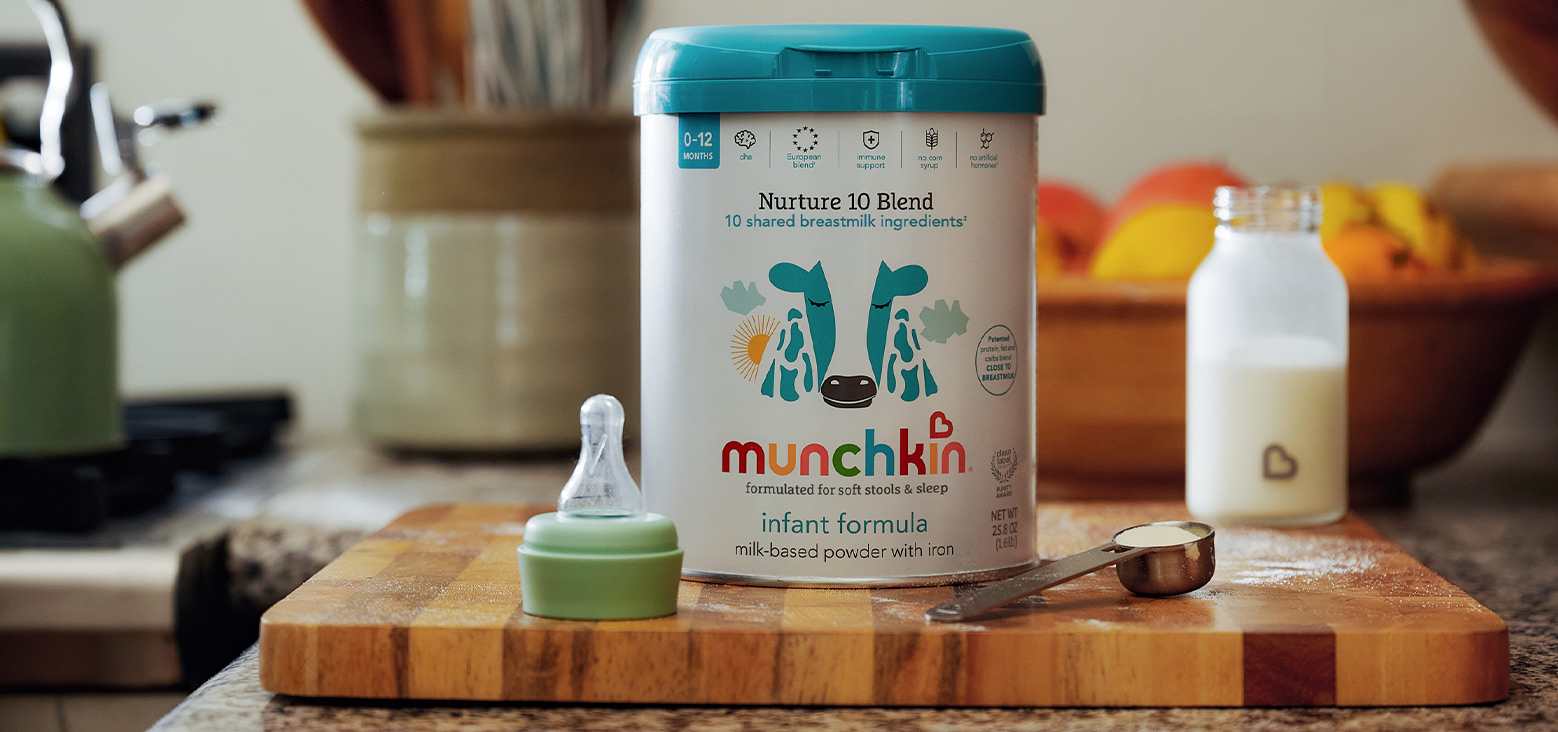
How Much Does Baby Formula Cost and How Can You Save?
Baby formula costs vary widely by form, brand, package size, and how much your baby drinks. Current 2026 retail estimates place standard formula at roughly $70 to $245 or more per month, while ready-to-feed and specialty formulas can cost considerably more. Comparing the cost per prepared ounce, buying an appropriate quantity, and reducing avoidable waste […]
18 Sept 2026
12 min read

How to Switch Baby Formula Safely: A Parent’s Guide
You can usually switch your baby’s formula safely, especially when moving between comparable standard formulas. A direct change is often possible, though a gradual transition may help some babies accept a different taste. Gas, spit-up, and fussiness are common during infancy, so these behaviors do not always mean that a formula change is needed. Talk […]
17 Sept 2026
16 min read
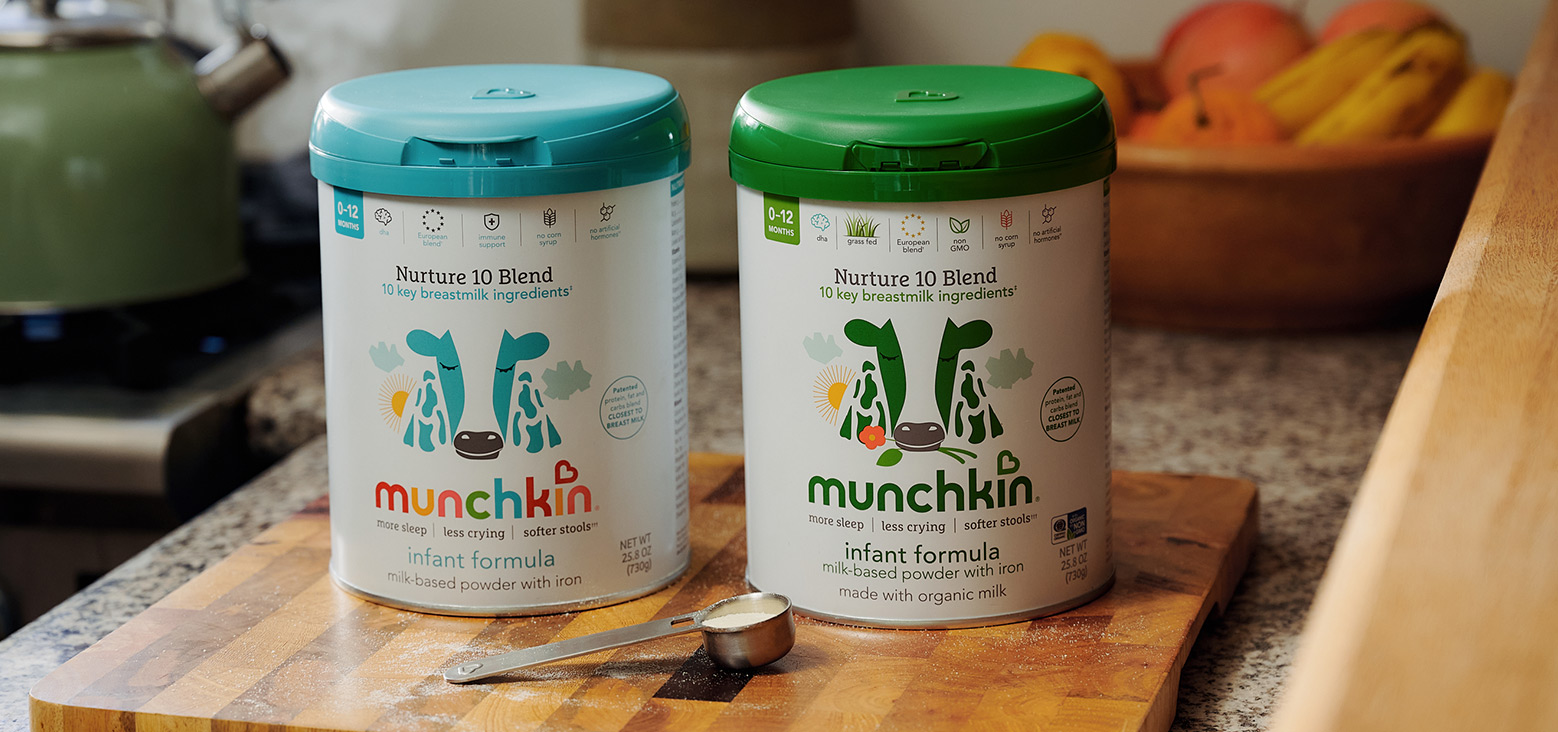
Kendamil® vs Munchkin Formula: How to Compare
There is no single winner in a Kendamil® vs Munchkin comparison. Both Kendamil and Munchkin products legally marketed as infant formula in the United States must meet applicable US requirements for infant formula, including requirements related to nutrient composition, manufacturing, quality control, labeling, and safety. The better fit depends on your baby’s needs, your family’s […]
15 Sept 2026
13 min read

Foods That Affect Milk Supply: What Really Helps
Some foods are traditionally associated with higher or lower milk supply, but no single food has been proven to reliably change breastmilk production. Supply depends much more on how often and effectively milk is removed through nursing, pumping, or hand expression. Eating enough and staying hydrated can support your health during breastfeeding, but an imperfect […]
10 Sept 2026
13 min read
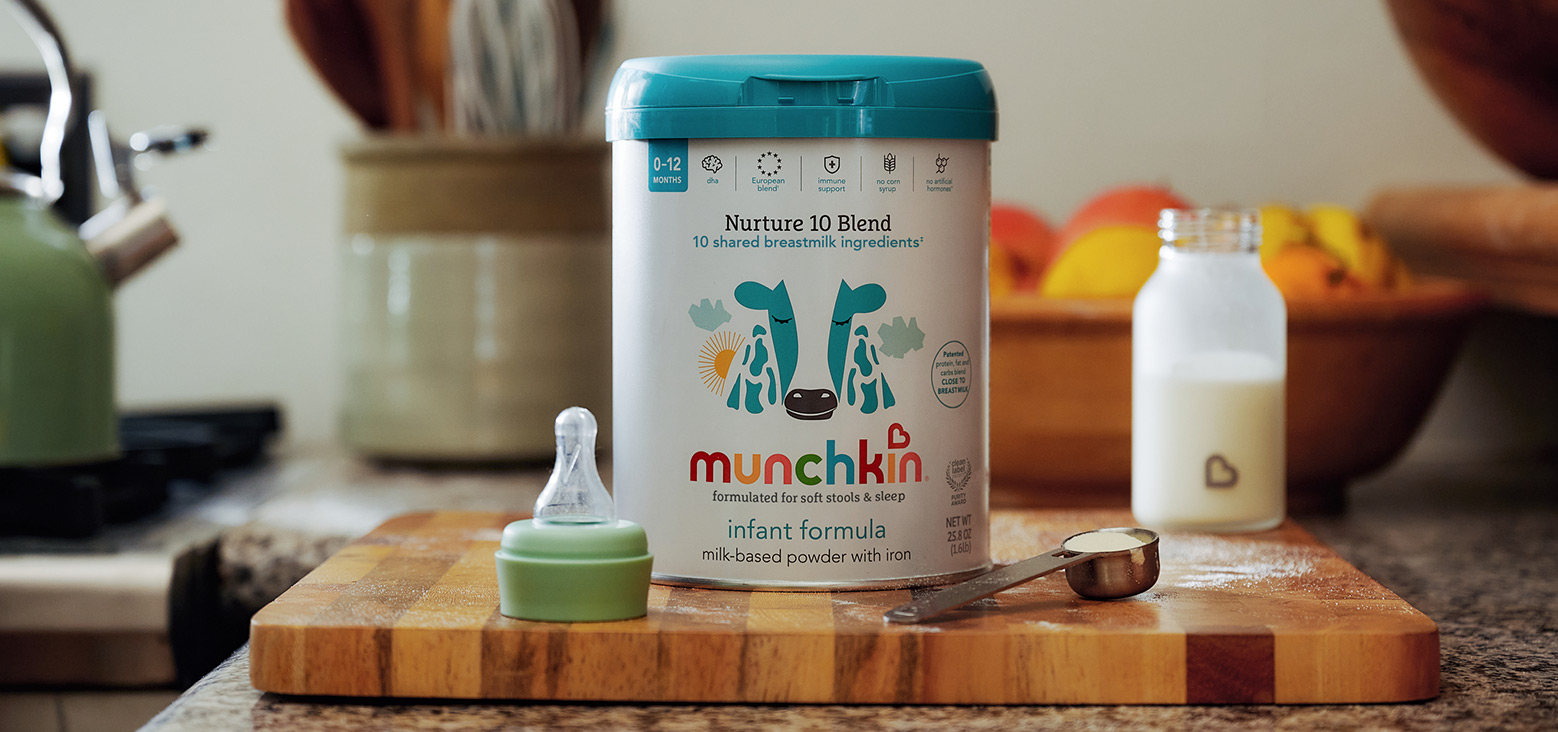
Enfamil® vs Munchkin Formula: What Should Parents Compare?
There is no single best choice between Enfamil® and Munchkin for every baby. Infant formulas sold in the United States must meet applicable FDA requirements for safety and nutritional adequacy. Beyond that shared baseline, individual products can differ in formulation, certifications, format, availability, and cost. Since Enfamil® offers several formula lines, the most useful Enfamil® […]
8 Sept 2026
13 min read