Playground Etiquette: Knowing When to Step In or Sit Back
4 min read
Published on 29 Oct 2024
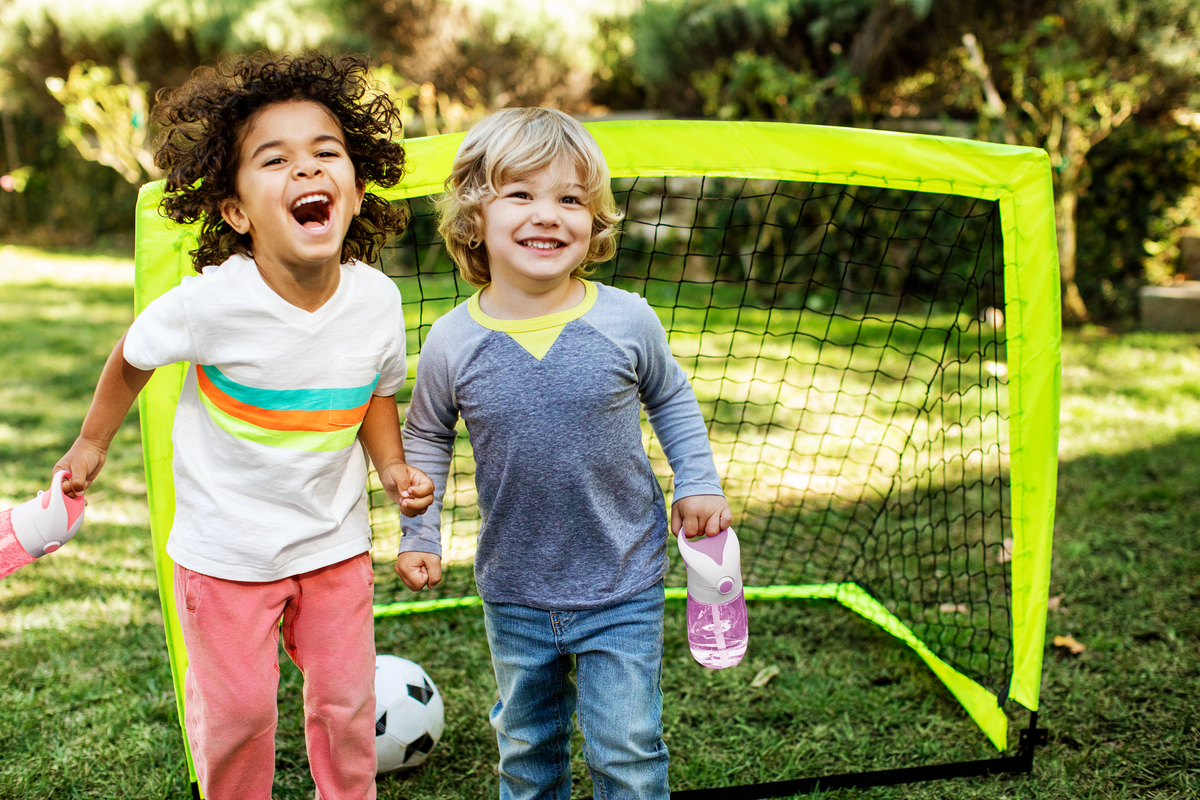
Picture a familiar scene: Two three-year-olds sit in a sandbox at the playground and one of them is surrounded by toy cars while the other one stares and watches. The caregiver of the child without any toys directly asks the child with the cars, “Is it okay if we use one?” The child says “no,” but the peer grabs a toy anyway. The caregivers consider their next move. As commonplace as this exchange is, it’s not without fraught.
Navigating playground politics — deciding when to step in and when to let kids work things out on their own — isn’t easy. In fact, for many parents, the myriad choices we are making all day, every day, like how to proceed in this exact situation, amount to complete decision fatigue. For Janet Rotter, child development expert, licensed psychoanalyst, and head of the Studio School in New York City, decision fatigue is often something that she sees parents especially grapple with at the playground.
“Playgrounds are like minefields of decision making for parents,” Rotter says, in conversation on Munchkin’s podcast StrollerCoaster, during the debut episode, “My Kid in the Future.” In Rotter’s experience “a lot of the decisions have to do with the idea of sharing.”
“I remember a little three-year-old went to the sandbox and he had a whole bunch of toys and he was busy in the sand working with all the toys,” Rotter says, painting a prime example. “And a little boy came over and started to take his toys — didn't ask him, just started taking them. And he said, ‘I'm using them now.’ The mother of the [second] boy said, ‘You have so many toys, you can give him a toy.’ The [first] little boy's mother came over to advocate for him and said, ‘He's not quite finished. He's working on something and, you know, he'll let your son have some after he's finished.’ And the other mother didn't like that answer very much. She wanted him to just relinquish the toys.”
“So she backed off with her son and the other mother sat down and her son was busy making roads and all kinds of things in the sand. And then when he was finished, he picked up his toys all on his own without prompting and went over to the other boy and said, ‘Here, I'm finished with them now. Enjoy.’”
“What I take away from that story is this: People are told from a very early age to share and they're forced to share. They're told that it's nice to share. And really people will share when they're ready and when they've had enough for themselves.”
In truth, sharing isn’t even something we should expect from young toddlers, according to research that’s been done. While sharing is possible, like in the story Rotter tells — and in the findings of a 2009 study on sharing between 18- and 25-month olds — it’s not a skill that most children learn until around thee-and-a-half to four years old, according to research done by the nonprofit Zero to Three. Still, nearly half of parents expected that their children can share before age two, in a survey conducted by Zero to Three.
So what can we do to help young toddlers learn how to share?
- Pausing and giving children the chance to work it out together before jumping in is a great start.
- Nurture their conflict resolution skills, and boost their confidence, by turning to them and asking if they have a solution.
- Model sharing and taking turns in 1:1 play with them at home.
- Redirection can be a helpful tool, especially for siblings at home. If one child wants a toy the other child is using, that can look like, “We are waiting our turn for that toy but have you tried playing with this toy? Look what it can do.”
- Using a kitchen timer can help children visualize what it looks like to have a turn and can spark their interest in time.
- Validate their feelings. It’s okay that they’re struggling with waiting or giving up a toy. We can verbalize how hard it is and give them a hug so that they feel heard and safe.
As for the stress many parents carry in navigating playground etiquette and feeling the burden of decision fatigue, thankfully Rotter has some encouraging advice. “Kids are not affected by the things you often worry about,” Rotter says.
“Focusing on your decisions and whether they're right or wrong will keep you from being present in the moment and focusing on what they really need,” Rotter adds. “My final thought is: The most important thing is to love, accept and listen to your children. And in the end, it will bring joy and laughter and fun.”
Marissa Muller