Baby Essentials Checklist: What You Actually Need
13 min read
Published on 10 Oct 2026
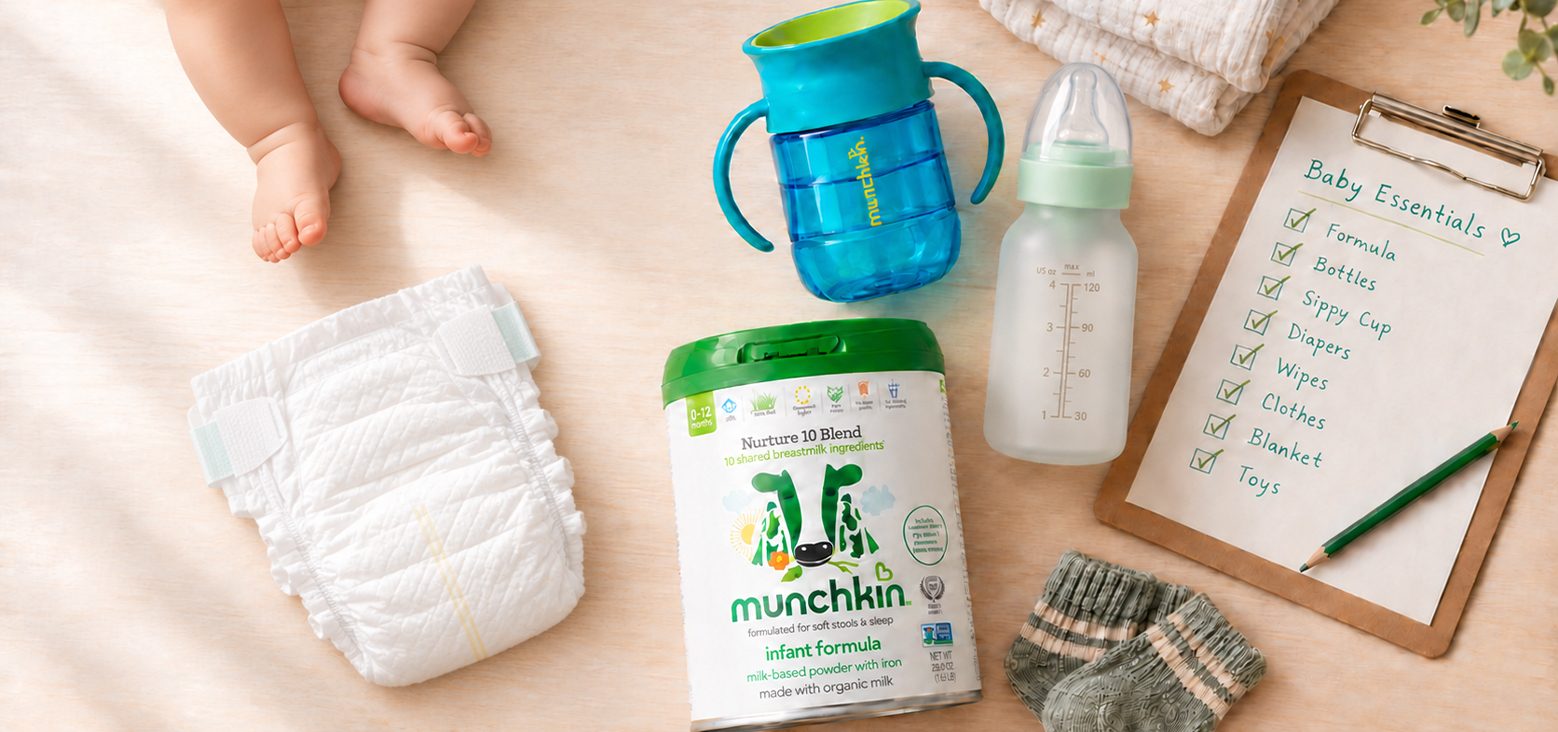
Newborn essentials fall into seven areas: feeding, diapering, clothing, bathing, sleep, health and safety, and on-the-go needs. If you are deciding what to buy for a new baby, focus first on products that support everyday care during the first few weeks.
The quantities in this baby essentials checklist are flexible starting points rather than fixed requirements. Your feeding approach, laundry routine, climate, living space, and baby’s size may change what you need.
What Should You Buy Before Birth, and What Can Wait?
The most useful first-time parent must-haves support feeding, diaper changes, dressing, safe sleep, basic care, and the trip home.
Products that depend on preference, fit, or developmental stage can usually wait.
|
Buy before birth |
Buy after preferences become clearer |
Buy for later stages |
| Safe sleep space and fitted sheets | More bottles or different nipple flows | High chair |
| Small supply of clothing and diapers | Additional clothing in useful sizes | Sippy cups and feeding utensils |
| Supplies for your planned feeding approach | Preferred bath and diapering accessories | Baby gates and cabinet locks |
| Digital thermometer and basic care supplies | Stroller or carrier, if not needed immediately | Bath toys |
| Infant car seat if traveling by car | Extra nursery organization | Toddler tableware |
Delay purchases that depend on fit, preference, space, or developmental stage. This gives you time to choose products based on how your family’s routine develops.
What Are the Newborn Feeding Essentials?
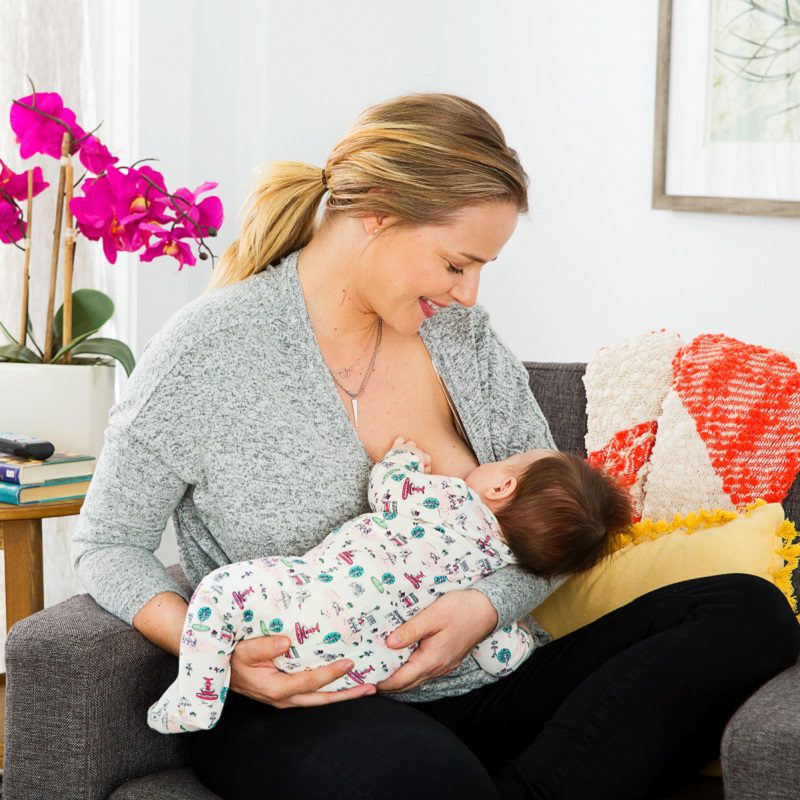
Newborn feeding essentials depend on whether you plan to breastfeed directly, pump, bottle-feed breastmilk, formula-feed, or combine feeding methods. Purchase supplies that match your current plans, knowing that those plans can change.
For direct breastfeeding
Consider starting with:
- 3 to 4 supportive nursing bras
- Reusable or disposable nursing pads
- 6 to 10 burp cloths
- A nursing pillow, if it helps you feed comfortably
- Nipple-care products recommended by your healthcare professional, if needed
A breast pump and storage bags can be useful, but they are not automatic must-haves for every breastfeeding parent.
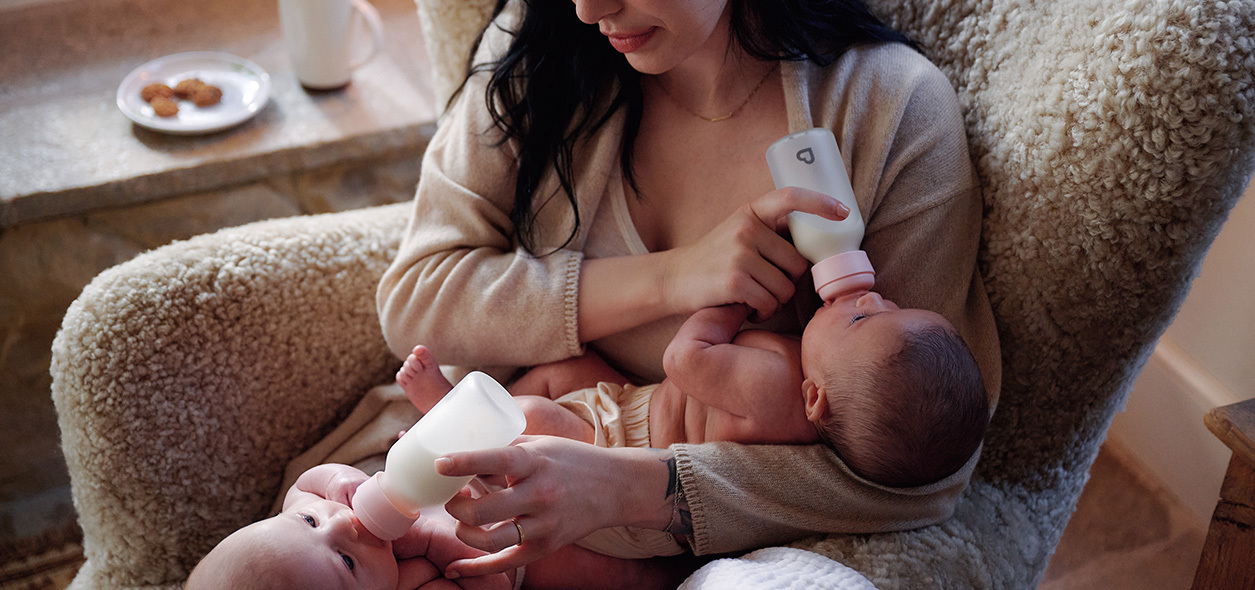
For pumping or bottle feeding
A practical starter supply includes:
- 4 to 6 bottles
- Compatible nipples with a flow suited to your baby’s feeding needs
- A bottle brush
- A clean drying rack or drying area
- A breast pump, if you plan to express milk
- Breastmilk storage containers or bags, if needed
- A few bibs for drips and spit-up
Avoid buying a large bottle set before birth. Trying a few bottles first gives you room to adjust the size, shape, or nipple flow without leaving many products unused.
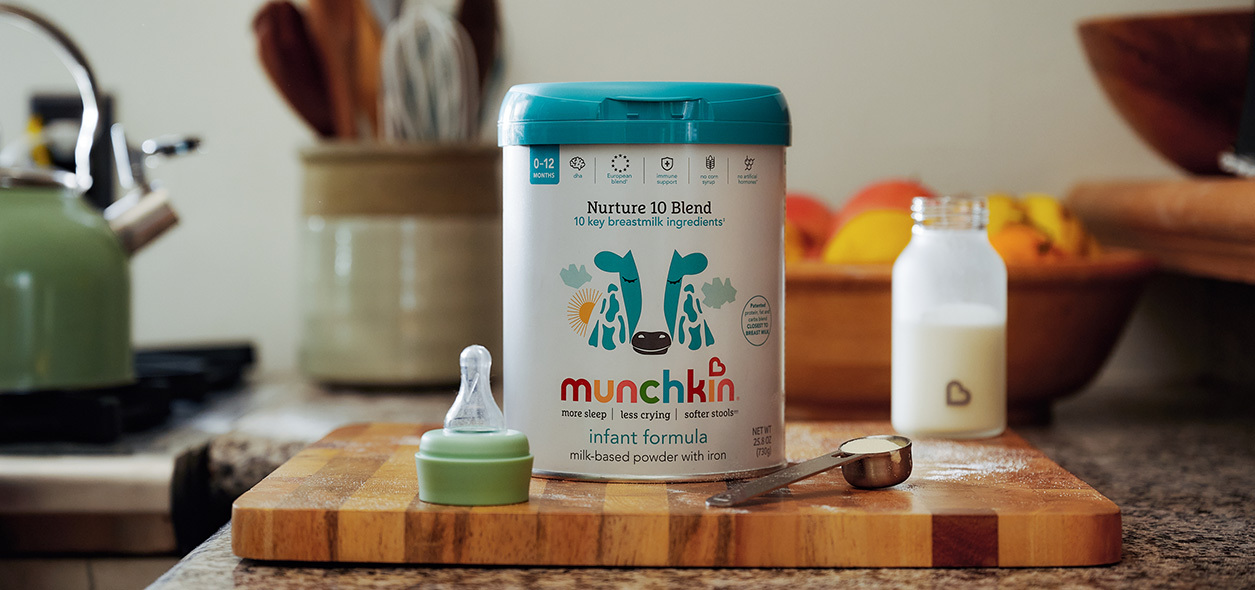
For formula feeding
Families who plan to formula feed may also need:
- The infant formula your family plans to use, with pediatric guidance if you have questions about your baby’s needs
- 6 to 8 bottles for primarily bottle-fed babies
- Compatible nipples and caps
- Bottle-cleaning supplies used according to current CDC cleaning guidance
- A dry formula dispenser for carrying measured formula powder, if useful. When preparing a bottle, always follow the formula label exactly, including the specified amounts of water and powder. Measure the water first, then add the powder.
Munchkin® offers bottles, cleaning accessories, drying racks, and formula dispensers for different feeding routines.
What Diapering Essentials Do You Need?
Start with one or two small packs each of newborn and size 1 diapers rather than buying a large supply in one size. The number of diapers in a pack varies, so use the linked diaper guide for more detailed daily and monthly estimates.
Essentials from day one
- 1 to 2 small packs of newborn diapers
- 1 to 2 small packs of size 1 diapers
- A small supply of wipes
- Diaper cream
- A waterproof changing pad or washable changing surface
- A small caddy for keeping supplies within reach
Arrange your supplies before placing your baby on the changing surface. Restock once you identify the diaper size and wipe type that work well for your baby.
Useful but optional
A diaper pail can contain used diapers between trash runs. A Munchkin® diaper pail is an optional choice for families who want a dedicated place for diaper disposal. A wipe warmer and separate changing table are convenience purchases rather than newborn necessities.
For more detailed quantity planning, read How many diapers a newborn needs.
What Clothing Does a Newborn Need?
A newborn needs a small rotation of comfortable clothing that is easy to wash and change. Climate, laundry frequency, and birth size will affect the right quantities.
A practical starting wardrobe includes:
- 6 to 8 short-sleeve or long-sleeve bodysuits
- 4 to 6 zippered sleepers
- 2 lightweight sweaters or layering pieces, if the weather requires them
- 3 to 4 pairs of socks if other clothing does not cover the feet
- 1 weather-appropriate hat
- 1 or 2 outfits for visits or special occasions
Clothing with zippers, wide necklines, or snap openings can make frequent diaper changes more manageable.
Buy a mix of newborn and 0–3-month sizes. Some babies wear newborn clothing for several weeks, while others need the next size soon after birth.
Newborn shoes, elaborate outfits, and large clothing sets are not necessary. Socks or footed sleepers can provide coverage before shoes serve a practical purpose.
What Are the Bath and Grooming Essentials?
Newborn bath and grooming needs are simple. You need a suitable washing space, gentle care products, and basic tools for nails and hair. Always keep your baby within arm's reach during bathing and never leave a baby unattended in or near water, even briefly.
Essentials from day one
- Gentle baby wash
- 3 to 4 soft washcloths
- 2 soft towels
- Baby nail clippers or a nail file
- A soft brush or comb
- A clean basin or another suitable washing space
A separate baby bathtub may make bathing more manageable, but it is not the only option. Regular soft towels also work, so hooded baby towels can remain an optional registry item.
Useful extras
Depending on your bathroom and routine, you may want:
- An infant bathtub
- A bath rinser
- A bath kneeler
- A bath thermometer
- A small organizer for toiletries
Munchkin® offers infant tubs, rinsers, and bath thermometers for families who want these bath-time accessories.
A bath thermometer measures bath water and is different from the digital body thermometer included in the health checklist. Bath toys and large toiletry collections can wait until they become useful.
What Do You Need for Safe Sleep and the Nursery?
A newborn needs a separate, uncluttered sleep space with a firm, flat surface. Most decorative nursery products are unrelated to safe sleep.
According to the American Academy of Pediatrics, babies should sleep on their backs in their own sleep space on a firm, flat, non-inclined surface. The space should contain only a fitted sheet, with no pillows, loose blankets, crib bumpers, stuffed toys, sleep positioners, or other soft objects.
Essentials from day one
- A crib, bassinet, portable crib, or play yard intended for infant sleep and meeting current federal safety requirements
- The firm, flat mattress or sleep surface designed for that product, used according to the manufacturer’s instructions
- 2 to 3 tight-fitting sheets, with only one fitted sheet used in the sleep space at a time
The CPSC recommends using infant sleep products that meet federal safety requirements and keeping the sleep space bare except for a fitted sheet. The American Academy of Pediatrics also recommends a firm, flat sleep surface with a mattress designed for the specific product and only a fitted sheet.
Useful but optional
If your family plans to use them, 2 to 3 properly fitting wearable sleep sacks can provide warmth without loose bedding. A baby monitor may be useful if your home layout makes it difficult to hear your baby. Cordless blackout shades may also help control light. These products do not replace a safe sleep setup or caregiver supervision.
What Health and Safety Items Should You Have?
Keep a digital body thermometer and important healthcare contact information available. The American Academy of Pediatrics recommends using a digital thermometer rather than a mercury thermometer.
Ask your pediatrician which medicines, nasal-care products, or first-aid supplies are appropriate for your baby.
Keep available from day one
- Digital body thermometer
- Nasal aspirator, if recommended or useful
- Contact information for your pediatrician, pharmacy, and local emergency services
- Any care supplies specifically recommended for your baby
The FDA advises keeping medicines out of children’s sight and reach. Keep products in their original packaging, follow the label exactly, and ask your pediatrician or pharmacist if you are uncertain whether a product is appropriate for your baby.
Prepare for mobility later
Most childproofing products are not needed during the newborn stage. Before your baby begins moving independently, assess your home for stairs, accessible cabinets, outlets, cords, sharp corners, and unstable furniture.
Depending on your space, later purchases may include:
- Safety gates
- Cabinet and drawer locks
- Outlet covers
- Corner guards
Munchkin® gates and cabinet locks can support your childproofing plan when those needs arise.
What On-the-Go Essentials Do You Need for a Newborn?
For trips outside the home, you need a suitable transportation option and enough supplies for the expected length of the outing. A well-packed diaper bag should cover feeding, changing, clothing, and weather needs without becoming difficult to carry.
Needed according to your travel plans
- An appropriate rear-facing car seat installed according to the car seat and vehicle manufacturers' instructions, if traveling by car
- Diaper bag
- Changing supplies
- Feeding supplies
- Spare clothing
Useful for some families
- Stroller
- Baby carrier
- Additional organization accessories
If you bring infant formula, follow the product label exactly and use current CDC guidance for preparation and storage. Do not change the amount of water or powder specified on the label. If you pack expressed breastmilk, follow current CDC storage and handling guidance.
See our guides to traveling with baby formula, and breastmilk storage, for additional details.
Start With the Essentials and Add What Works
A useful registry should make the first weeks feel more manageable. Choose what supports your family now, then add the little things that become useful as your baby grows.
Frequently Asked Questions
When should you start building a baby registry?
You can begin building a baby registry during the second trimester, which leaves time to compare products and revise the list without rushing. Start with broad categories, then adjust the list as your plans become clearer.
How can you build a baby registry on a budget?
Prioritize products needed from the first day and include options across several price ranges. Consider group gifting for larger purchases and delay convenience products until you are certain they suit your routine. Feeding decisions should reflect your baby’s needs and family circumstances, not cost alone.
What should gift-givers prioritize from a baby registry?
Choose an item the parents requested rather than replacing it with an unlisted alternative. Consumable supplies, clothing in future sizes, and contributions toward larger essentials are practical choices when the registry includes them.
How many items should you put on a baby registry?
There is no required number. Include the day-one essentials, a few later-stage products, and options across different price ranges. The registry should reflect your available space and feeding, laundry, and travel plans rather than reach a specific item count.
This article is for general educational and planning purposes only. It does not replace medical advice. Consult your pediatrician about health supplies or concerns related to your baby, and follow current product instructions and AAP safe-sleep recommendations.
References
- American Academy of Pediatrics, How to Keep Your Sleeping Baby Safe: AAP Policy Explained - https://www.healthychildren.org/English/ages-stages/baby/sleep/Pages/a-parents-guide-to-safe-sleep.aspx
- American Academy of Pediatrics, Best Ways to Take a Temperature - https://www.healthychildren.org/English/health-issues/conditions/fever/Pages/best-ways-to-take-a-temperature.aspx
- U.S. Food and Drug Administration, The Over-the-Counter Drug Facts Label - https://www.fda.gov/drugs/understanding-over-counter-medicines/over-counter-drug-facts-label
- Centers for Disease Control and Prevention, Infant Formula Preparation and Storage - https://www.cdc.gov/infant-toddler-nutrition/formula-feeding/preparation-and-storage.html
- Centers for Disease Control and Prevention, Breast Milk Storage and Preparation - https://www.cdc.gov/breastfeeding/breast-milk-preparation-and-storage/handling-breastmilk.html
Munchkin