Is Baby Formula FSA or HSA Eligible?
7 min read
Published on 17 Nov 2026
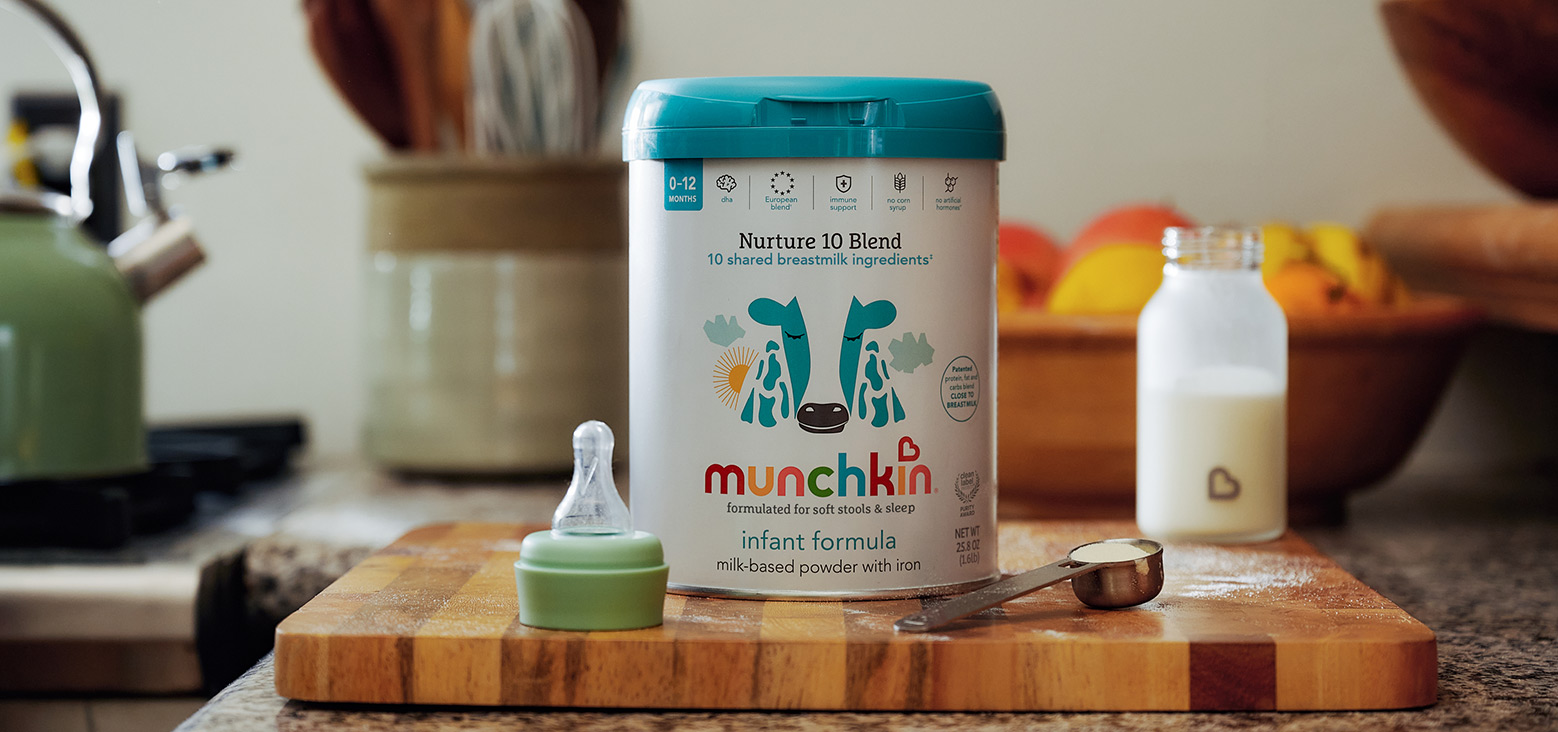
Baby formula is generally not eligible for payment through a Flexible Spending Account (FSA) or Health Savings Account (HSA) when purchased for everyday feeding. If your baby needs specialized formula for a medical condition, the amount it costs above regular formula may qualify.
For an FSA claim, check your plan’s documentation requirements. For an HSA purchase, keep records supporting the qualified expense.
Is Baby Formula FSA or HSA Eligible?
Regular formula is generally an everyday feeding expense. Specialized formula may qualify when it meets medical-expense requirements, but only its added cost may be eligible.
How does eligibility differ by formula type?
|
Formula purchase | General eligibility | What matters |
| Regular formula for everyday feeding | Generally not eligible | Its ordinary nutritional purpose |
| Formula marketed as "sensitive" "gentle" or "hypoallergenic" without a documented medical need | Not automatically eligible | A label or higher price does not establish medical necessity |
| Specialized formula needed for a medical condition | The added cost may qualify | Physician documentation and proof of the price difference |
The FSAFEDS health care FSA eligible-expenses list requires a doctor-signed Letter of Medical Necessity, a detailed receipt, and proof of the cost difference for its baby special formula claims.
When Can Specialized Formula Qualify?
Specialized formula may qualify when it meets the medical-expense criteria, and a physician substantiates your baby’s need for it. Specialized formulas differ in their protein composition and intended clinical use. For example, partially hydrolyzed formulas are not equivalent to extensively hydrolyzed or amino acid-based formulas, which may be used for specific medical conditions. Formula selection should be based on an infant's individual medical and nutritional needs.
A product label, higher price, or general recommendation to try a different formula does not establish eligibility on its own.
IRS Publication 502 sets out the criteria for qualifying special food. The letter should describe your baby’s specific medical condition, the recommended formula or treatment, and how long it is needed. FSAFEDS’ Letter of Medical Necessity guidance lists these details for its claims.
Speak with your pediatrician about whether your baby needs a specialized formula. That feeding decision should be based on your baby’s needs, regardless of whether any expense qualifies for reimbursement.
“Some infants may tolerate certain formulas better than others, even without a clear medical indication for their use. Differences in fatty acid profiles among cow’s milk-based formulas do not necessarily provide a nutritional or health advantage but may influence infant tolerance or family preference.”
-Ellen Campbell, MD, MEd
The types of fats found in cow’s milk can vary, but that doesn’t necessarily make one baby formula healthier or more nutritious than another. What matters most is the overall mix of fats in the formula and how well it supports a baby’s growth and development.”
— Dayna Landry, MS, MPH, RD
How Much Formula Cost Can Qualify?
The potentially eligible expense is generally the difference between the cost of qualifying specialized formula and a comparable amount of regular formula. IRS Publication 502 limits qualifying special-food expenses to the amount above the cost of a normal diet. FSAFEDS specifically requires proof of the difference between special and regular baby formula.
For example, if the specialized formula costs $50 and the same amount of regular formula costs $30, the potentially eligible difference is $20. This example does not guarantee reimbursement. Keep evidence of both prices and check how your FSA administrator wants the comparison documented.
For help estimating your broader feeding budget, read how much baby formula costs and ways to save.
If insurance covers part of the purchase, you cannot also claim the amount insurance paid. Only an otherwise eligible expense that you paid yourself can be considered.
How Do You Claim Formula Expenses?
An FSA claim follows your plan administrator’s process. With an HSA, you must keep records showing that any tax-free distribution was paid for a qualified expense. A successful card payment does not establish eligibility.
- Check the requirements: Ask your FSA administrator what it needs before you purchase specialized formula. If you plan to use an HSA, confirm that you can support the expense under the applicable tax rules.
- Get physician documentation: Request a Letter of Medical Necessity if required for your FSA claim. Keep the physician’s documentation with your HSA records if you use that account.
- Save the itemized receipt: Retain the product name, purchase date, quantity, and amount paid.
- Document the comparison price: Save evidence of what a comparable amount of regular formula costs.
- Claim only the eligible amount: Follow your FSA’s submission instructions or retain the records for your HSA distribution. Do not claim any amount paid by insurance or another source.
IRS Publication 969 requires HSA records showing that distributions paid qualified expenses and that those expenses were not reimbursed elsewhere.
Which Other Feeding Supplies Qualify?
Breast pumps and supplies that assist lactation can qualify as medical expenses under IRS Publication 502. The IRS excludes excess bottles purchased for food storage.
Ordinary feeding products, including formula dispensers and baby bottles, should not be assumed eligible. Check an individual item against your account’s rules before using FSA or HSA funds.
Frequently Asked Questions
Can I claim formula bought before opening my HSA?
No. IRS Publication 969 says expenses incurred before your HSA was established are not qualified HSA expenses. Ask your provider for the establishment date if you are unsure.
Will I need a new Letter of Medical Necessity next year?
Check the treatment period stated in your letter and your FSA administrator’s requirements. FSAFEDS requires a new letter if treatment continues beyond the period covered by the previous one.
Can I use both an FSA and HSA for the same formula expense?
You cannot receive tax-free reimbursement twice for the same expense. If one account paid the eligible amount, do not claim that amount again from the other. Keep records of both payments. IRS Publication 969 requires HSA records showing an expense was not previously reimbursed.
This article is for general informational purposes only and is not tax, legal, or financial advice. FSA and HSA eligibility rules can change and depend on your specific plan. Confirm eligibility with your plan administrator or a tax professional before making a purchase.
References
- FSAFEDS, Eligible Health Care FSA (HC FSA) Expenses - https://www.fsafeds.gov/explore/hcfsa/expenses
- Internal Revenue Service, Publication 502: Medical and Dental Expenses - https://www.irs.gov/publications/p502
- FSAFEDS, Frequently Asked Questions - https://www.fsafeds.gov/support/faq/all/16
- Internal Revenue Service, Publication 969: Health Savings Accounts and Other Tax-Favored Health Plans - https://www.irs.gov/publications/p969
Munchkin