Can You Mix Breastmilk and Formula? A Parent's Guide to Combo Feeding
10 min read
Published on 19 Jul 2026

Yes, you can mix breastmilk and formula, including in the same bottle, as long as you prepare it safely. Feeding your baby both is a common, flexible choice, and families land on it for all kinds of reasons.
If you went looking for a clear yes or no and came away more tangled up than when you started, that is not on you. The advice out there really is all over the place.
So here is the whole picture: how to combine the two safely, whether to mix them in one bottle or keep them separate, what combo feeding does to your milk supply, and how to store it, so you can feed your baby in the way that actually works for both of you.
What is combination feeding?
Combination feeding, also called combo feeding or mixed feeding, means giving your baby both breastmilk and formula. It is a common approach, and there is no single right way to do it.
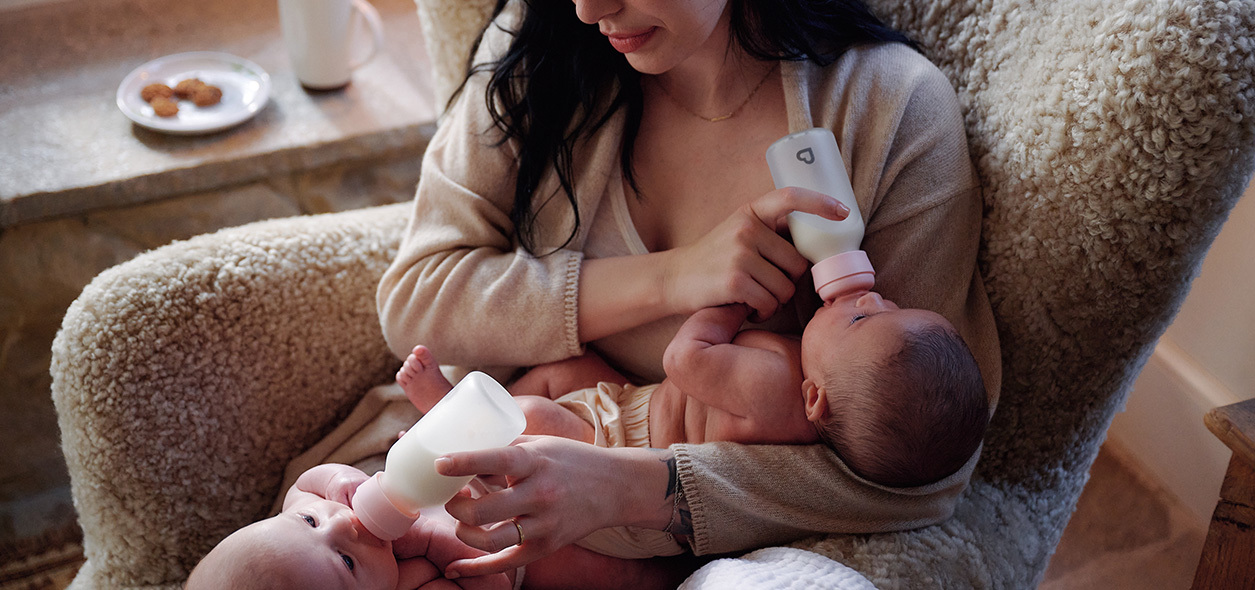
There are two main ways to combine the two. The first is same-bottle feeding, where you add breastmilk to formula that is already prepared, so your baby gets both in one bottle. The second is alternating or separate feeding, where your baby has breastmilk at some feeds and formula at others, never combined in the same bottle. Both count as combination feeding, and plenty of families drift between them depending on the day.
Some parents combo feed around the clock. Others do it just for an evening bottle, or only while they are away at work. You can adjust the balance as you go, and it is completely normal for what works one month to stop working the next as your baby grows and your routine shifts.
How do you mix breastmilk and formula safely?
To mix breastmilk and formula safely, always prepare the formula with water first, exactly as the label directs, and then add your breastmilk. Never tip powdered formula straight into breastmilk, and never swap breastmilk in for the water. Formula needs the right amount of water to be safe for your baby to digest, and skipping that step leaves the mixture too concentrated.
Once the formula is correctly prepared, you can combine it with any amount of breastmilk in the bottle. Here is the safe sequence:
- Wash your hands, and make sure the bottle, nipple, and any parts are clean and sterilized.
- Measure the water and powder exactly as directed on the formula label, and prepare the formula on its own first.
- Once the formula is mixed, add your breastmilk to the bottle.
- Gently swirl to combine, check the temperature, and feed your baby.
If you use ready-to-feed formula, you can add it to breastmilk directly, since it comes already prepared at the correct dilution and does not need water. The water rule only applies to powdered and concentrated formula.
Is it better to mix them in one bottle or feed them separately?
Both are safe, so this really comes down to what fits your routine. Lots of families mix breastmilk and formula in one bottle for simplicity. Others prefer to give breastmilk first, on its own, and offer formula separately. There are two practical reasons some experts and lactation organizations lean toward feeding them separately:
- Less waste. Once breastmilk and formula are combined, anything your baby does not finish has to go, because the mixture follows the shorter storage rules for formula. Feed breastmilk on its own first and the leftovers are easier to save, so less of your pumped supply ends up down the drain.
- Preserving what is in your breastmilk. Some lactation organizations point to research suggesting that combining formula with breastmilk may slightly reduce some of breastmilk's natural components. The evidence is limited and single-bottle mixing is still considered safe, but it is a reasonable thing to weigh if separate feeding is easy for you.
If you would rather have the convenience of one bottle, there is a simple fix for the waste worry: start with a smaller amount of mixed milk and top up if your baby is still hungry.
Neither approach is the wrong one. Breastmilk is recommended as the first source of nutrition where possible, and past that, the best method is simply the one you can keep up with. If you are not sure what makes sense for your baby, your pediatrician or a lactation consultant can help you find a rhythm.
Does combo feeding reduce your milk supply?
It can, but it does not have to. Milk supply runs on demand, so the more often milk is removed from your breasts, the more your body tends to make. When formula stands in for a nursing or pumping session, your body gets less of that signal, and supply can slowly dip. The good news is that plenty of families combo feed and keep a healthy supply, and a few habits make the difference:
- Breastfeed first when you are together. Offer the breast before you reach for a formula bottle, so your body keeps getting the demand signal.
- Pump when you give a formula feed. Expressing around the time your baby has formula helps replace the removal your breasts would otherwise get.
- Introduce formula gradually. Adding it slowly, rather than all at once, gives your supply time to adjust and helps your baby settle into the change.
- Nurse regularly in the early weeks. Frequent breastfeeding in those first weeks helps build a strong supply before combo feeding becomes routine.
It also helps to use paced bottle feeding, where you hold the bottle more horizontally and let your baby take breaks, so a feed from the bottle feels closer to a feed at the breast. A bottle with a slow-flow, breast-like nipple makes that easier, helping your baby move between the two without leaning hard toward the faster flow of a bottle.
How do you store mixed breastmilk and formula?
A bottle of mixed breastmilk and formula should be used within one hour from the start of feeding, and anything left over has to be thrown away rather than saved. Once your baby has drunk from the bottle, you cannot store it for later, because bacteria from your baby's mouth can grow in the milk.
The key thing to remember is that the moment you add formula, the mixture follows formula's storage rules, which are stricter than the rules for breastmilk on its own:
- Freshly mixed and not yet fed: use within 2 hours of preparation at room temperature, or refrigerate right away and use within 24 hours.
- After your baby has started feeding: finish within 1 hour from the start of the feed, then discard whatever is left.
- Already refrigerated and warmed: do not put it back in the fridge to reuse.
This is the same reason some families choose to feed breastmilk separately. Breastmilk on its own keeps longer, so feeding it first and saving the rest means less of your pumped milk is lost to formula's shorter timeline.
One important note: if your baby was born prematurely, is younger than about two months, or has a health condition, talk to your pediatrician before combination feeding. They may have specific guidance on amounts, timing, and storage for your baby's needs.
Why do parents choose combination feeding?
Parents combo feed for all kinds of reasons, and every one of them is valid. Combination feeding takes some of the pressure off a single feeding method while keeping breastmilk in the mix, and families tend to land on it for reasons like these:
- Milk supply. When breastfeeding or pumping alone is not quite meeting your baby's needs, formula can help fill the gap.
- Returning to work. Formula feeds during the day can smooth the transition back to work while you keep breastfeeding when you are home.
- Sharing feeds. Bottles let a partner, grandparent, or caregiver step in, which means support for you and bonding time for them.
- Flexibility and rest. Combo feeding can give you a break when you need one, and needing a break is nothing to feel guilty about.
- Easing toward weaning. Some families use combo feeding to move gradually from breast to bottle at their own pace.
There is no minimum you have to hit for breastfeeding to count. Any amount of breastmilk is good for your baby, and combo feeding lets you keep offering it in whatever way fits your life. A lot of parents find it easiest to start once breastfeeding feels established, but the right time is the one that works for you, and your pediatrician or a lactation consultant can help you plan the transition.
What should you look for in a formula for combo feeding?
For combination feeding, look for a formula your baby digests comfortably and that fits easily into your routine, since you may be moving between breast and bottle all day long. A gentle, breastmilk-inspired formula (here's what baby formula is made of) can make that back-and-forth smoother for your baby. It also helps to pick one you can find consistently, so you are not switching brands more often than you have to.
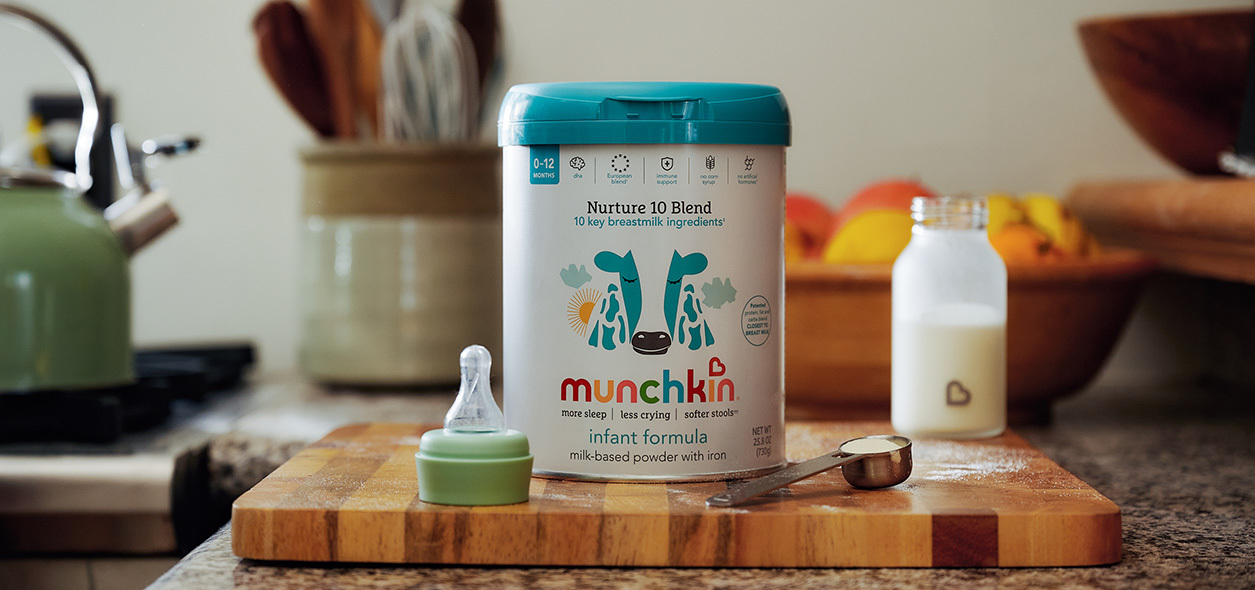
When the formula side of your routine calls for a gentle option, Munchkin Infant Formula is worth a look. Its Nurture 10 Blend shares 10 ingredients with breastmilk,* so it can sit comfortably alongside your breastfeeding. As with any formula choice, your pediatrician is the best person to help you decide what suits your baby.
Structure and levels differ from those in breastmilk.
Frequently asked questions
Can you mix ready-to-feed formula with breastmilk?
Yes. Ready-to-feed formula is already prepared at the correct dilution, so it can be added straight to breastmilk without adding water. The water-first rule only applies to powdered and concentrated formula.
Will combination feeding make my baby refuse the breast?
Not usually. Many babies move between breast and bottle without trouble, especially when formula is introduced gradually and you use paced bottle feeding. If you notice your baby starting to prefer the bottle, nursing first when you are together and slowing the bottle's flow can help.
Can you warm a bottle of mixed breastmilk and formula?
Yes, gently. Warm it by standing the bottle in warm water or using a bottle warmer, never in the microwave, since microwaving creates hot spots that can burn your baby and can damage some of breastmilk's components. Swirl and test the temperature before feeding.
Can you freeze breastmilk that has formula added to it?
No. Once formula is added, the mixture should not be frozen, and it follows formula's shorter storage limits. If you want to freeze breastmilk, freeze it on its own before any formula is mixed in.
*your baby was born prematurely, is younger than two months, or has a health condition. Structure and levels of ingredients shared with breastmilk differ from those in breastmilk.
This article is for general informational and educational purposes only and is not intended as medical advice. Breastfeeding is recommended as the best source of nutrition for most infants. Always consult your pediatrician or a qualified lactation consultant before making decisions about your baby's feeding, including combination feeding, especially if

Dr. Elle Campbell
Pediatrician