How to Stop Hiccups in Babies (and Why They Happen)
10 min read
Published on 7 Sept 2026

Baby hiccups are common and usually harmless, especially in newborns. If hiccups start during a feeding, pause the feed, try burping your baby, change their position, and give them a few minutes to settle. In many cases, the hiccups will stop on their own and do not bother the baby.
This guide explains how to stop hiccups in babies safely, what may help prevent feeding-related hiccups, which remedies to avoid, and when to contact your pediatrician.
How Do You Stop Baby Hiccups?
You usually do not need to stop baby hiccups if your baby is comfortable. If hiccups begin during a feeding, the American Academy of Pediatrics recommends changing your baby's position, trying to burp them, and helping them relax. If the hiccups do not stop after 5 to 10 minutes, briefly resuming the feeding may help.
1. Pause the Feeding and Try Burping Your Baby
If hiccups start while your baby is eating, pause the feed rather than continuing while they are fussy or gulping. The AAP notes that feeding while a baby is fussing can lead to more swallowed air and discomfort.
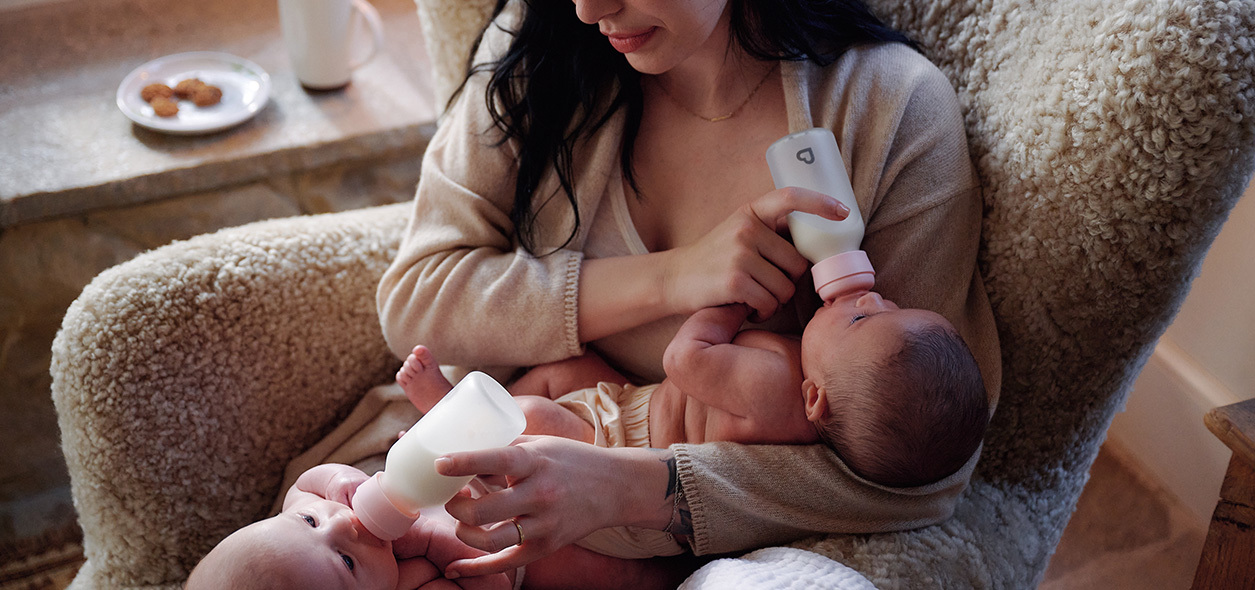
Try gently burping your baby during the pause. For bottle-fed babies, the AAP suggests trying a burp after every 2 to 3 fl oz. Breastfed babies can be burped when switching breasts. Some babies do not burp every time, so there is no need to force it if your baby remains comfortable.
2. Change Your Baby's Position
Changing position can help your baby settle when hiccups interrupt a feed. Hold your baby securely with their head and neck supported. An upright position against your chest or shoulder can also make it easier to try a gentle burp.
Keep movements calm and avoid bouncing or vigorous patting.
3. Give the Hiccups a Few Minutes to Pass
Hiccups often stop without any special treatment. If your baby seems content, give the episode a few minutes instead of trying several remedies at once.
The AAP advises waiting for hiccups to settle before continuing a feeding. If they are still present after about 5 to 10 minutes, you can briefly resume feeding if your baby is still hungry.
Follow your baby's hunger and fullness cues rather than offering extra milk only to stop the hiccups.
4. Keep Your Baby Calm and Comfortable
Quiet cuddling or gentle back rubbing can help your baby relax while the hiccups pass. If your baby already uses an age-appropriate pacifier, you can offer it as a familiar soothing option. Pacifiers should not be treated as a product that stops or prevents hiccups.
If the hiccups continue but your baby remains comfortable, there is usually no need to try additional remedies.
Why Do Babies Get Hiccups?
Baby hiccups happen when the diaphragm, the muscle beneath the lungs that helps with breathing, contracts involuntarily. The vocal cords then close quickly, creating the familiar "hic" sound. Hiccups are especially common in newborns and young infants.
Hiccups often occur during or after feeds. Gulping, swallowed air, or stomach fullness may contribute in some babies. The American Academy of Pediatrics notes that feeding while a baby is fussy can lead to more swallowed air and discomfort.
Hiccups can also happen without an obvious trigger. Frequent hiccups alone do not necessarily mean something is wrong with your baby's feeding.
How Can You Help Prevent Baby Hiccups During Feeding?
You cannot prevent every episode, but calm feeding habits may make feeding-related hiccups less likely. Focus on feeding before your baby becomes extremely hungry, using a comfortable feeding pace, and responding to hunger and fullness cues.
Feed Before Your Baby Becomes Extremely Hungry
Try to feed your baby when you notice early hunger cues, such as rooting, bringing hands to the mouth, or becoming more alert. Waiting until your baby is very upset can make feeding more hurried.
The American Academy of Pediatrics notes that feeding a baby before they become extremely hungry may help reduce feeding-related hiccups.
For more guidance on feeding patterns and hunger cues, see how often to feed a newborn.
Pause for Burps at Natural Breaks
Burping during natural pauses may help release swallowed air and keep the feeding pace comfortable. If your baby is relaxed and does not burp, there is no need to force it.
Use a Comfortable, Age-Appropriate Nipple Flow
For bottle-fed babies, keep the nipple filled with milk and use a flow that allows comfortable sucking, swallowing, and breathing. If your baby regularly gulps, coughs, pulls away, or struggles with the flow, ask your pediatrician or feeding professional whether the nipple flow is appropriate.
Munchkin® Bond® Silicone Glass Bottle includes a Stage 1 slow-flow nipple for newborns and an anti-colic valve designed to help control milk flow.
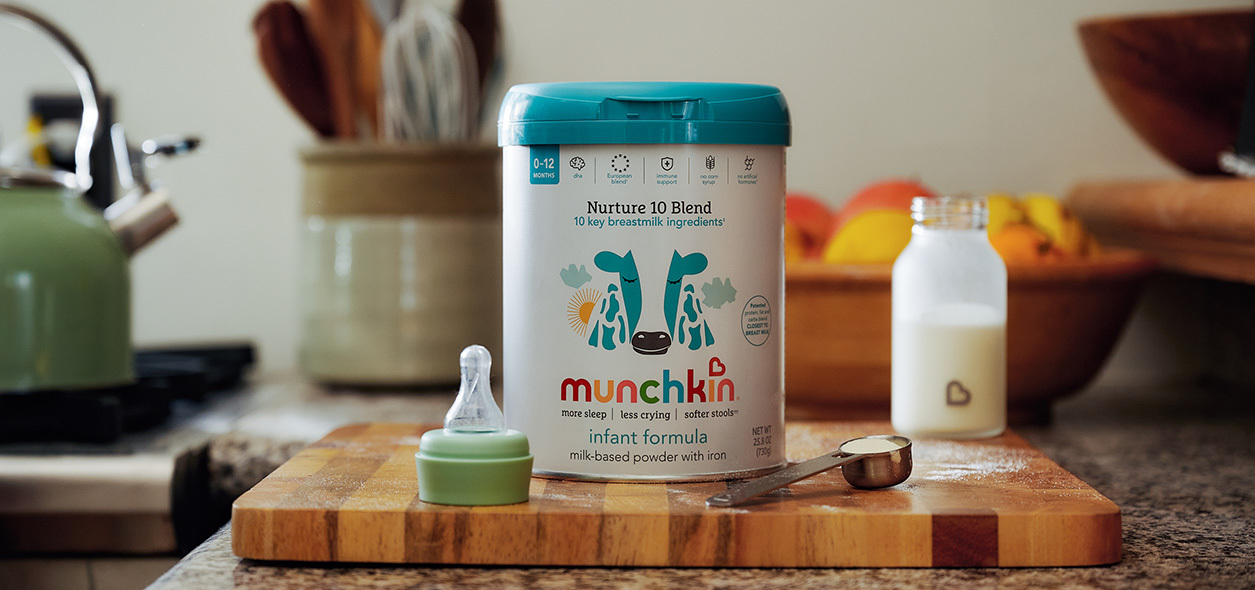
If you use powdered formula, see how to mix formula without bubbles while following the formula label directions exactly.
Follow Your Baby's Fullness Cues
Follow your baby's fullness cues rather than encouraging them to finish a bottle after they turn away, slow their sucking, or show other signs that they are done.
If you are concerned about feeding amounts, intake, or growth, ask your pediatrician for individualized guidance.
Keep Your Baby Upright Briefly After Feeding
After feeding and burping, hold your baby upright while they are awake and supervised. The AAP recommends keeping babies upright for about 10 to 15 minutes after feeding to help reduce spit-up.
When your baby is ready to sleep, place them flat on their back on a firm, appropriate sleep surface. Upright or inclined positioning should not be used for sleep.
Parents looking for broader feeding guidance can also watch Munchkin's Feeding Without Frustration, featuring pediatrician and lactation consultant Dr. Mona Amin.
What Should You NOT Do to Stop Baby Hiccups?
Do not use adult hiccup tricks or folk remedies on a baby. Some are ineffective, while others can be unsafe for infants.
Never Give Honey to a Baby Younger Than 12 Months
Do not give honey to a baby under 12 months, including honey mixed into food, water, or formula, or placed on a pacifier. Honey can expose infants to Clostridium botulinum, which can cause infant botulism. The CDC advises avoiding honey and foods made with honey during the first year of life.
Do Not Give Sugar to Stop Hiccups
Swallowing sugar is sometimes suggested as an adult hiccup remedy, but it is not an appropriate treatment for babies. The CDC recommends avoiding foods and drinks with added sugars for infants and young children.
Do Not Give a Young Baby Plain Water as a Hiccup Remedy
Plain water is not a recommended way to stop hiccups in a young infant. Breastmilk or infant formula is the primary source of fluids and nutrition during early infancy. The CDC recommends introducing small amounts of water at around 6 months, when complementary foods are typically introduced.
If your pediatrician has given different instructions for a medical reason, follow that guidance.
Never Use Physical or Breathing Tricks
Avoid any technique that could hurt, frighten, or interfere with your baby's breathing. Do not:
- Pull your baby's tongue.
- Press on their eyes.
- Deliberately startle or scare them.
- Cover their nose or mouth.
- Try to make them hold their breath.
These adult hiccup tricks are not appropriate for infants. Use only gentle, age-appropriate soothing and feeding techniques instead.
When Should You Call Your Pediatrician About Baby Hiccups?
If your baby is comfortable, breathing normally, and feeding well, occasional hiccups usually do not require medical attention.
Contact your pediatrician if the hiccups are unusually frequent or prolonged, repeatedly interfere with feeding, appear to cause distress, or occur with other persistent symptoms.
You should also ask for medical guidance if your baby:
- Regularly refuses feeds or has difficulty feeding.
- Frequently coughs, gags, or chokes during feeds.
- Has frequent spit-up with clear discomfort.
- Seems persistently distressed during or after feeds.
- Has another persistent feeding or health change that concerns you.
Hiccups alone do not mean your baby has gastroesophageal reflux disease (GERD). Children's Hospital of Philadelphia lists hiccups among several possible GERD symptoms, along with feeding refusal, coughing, gagging, choking, and discomfort around meals.
These signs can also occur for other reasons, so a pediatrician should make the diagnosis.
Do not change formula or start treating reflux based on hiccups alone. If feeding symptoms are persistent, your pediatrician can help determine what is causing them and whether any feeding changes are appropriate.
Seek prompt medical attention if your baby has trouble breathing, turns blue or unusually pale, becomes difficult to wake, or develops another sudden or severe symptom. These are not typical hiccup symptoms and should be evaluated promptly.
Frequently Asked Questions
Can a Baby Sleep With Hiccups?
Yes. If your baby is comfortable and otherwise well, hiccups alone usually do not require keeping them awake. Follow standard safe-sleep guidance and place your baby flat on their back on a firm, flat sleep surface. Do not use an inclined sleep position or prop your baby up to try to stop hiccups.
Can Gripe Water Help Baby Hiccups?
Gripe water is not an established treatment for baby hiccups. Research supporting its effectiveness in infants is limited, and ingredients vary by product. Ask your pediatrician before giving gripe water or another supplement to a young baby, especially a newborn.
Do Hiccups Mean My Baby Is Full or Has Eaten Too Much?
Not necessarily. Hiccups alone cannot tell you that your baby has eaten too much. Follow your baby's hunger and fullness cues, and ask your pediatrician if you are concerned about feeding amounts or growth.
Are Hiccups Different in Breastfed and Bottle-Fed Babies?
Hiccups can happen with both breastfeeding and bottle feeding. Feeding pace and swallowed air can vary from feed to feed, regardless of feeding method. If hiccups repeatedly disrupt feeds, discuss the pattern with your pediatrician.
This article is for general informational and educational purposes only and is not intended as medical advice. Hiccups are normal and usually harmless in babies. Never give honey, sugar, or water to a young baby to stop hiccups, and avoid folk remedies such as pulling the tongue, pressing the eyes, or startling your baby. Contact your pediatrician if your baby's hiccups are frequent or prolonged, interfere with feeding or breathing, or occur with frequent spit-up or signs of discomfort, especially for newborns or babies born prematurely.
References
- HealthyChildren.org, American Academy of Pediatrics, Baby Burping, Hiccups & Spit-Up - https://www.healthychildren.org/English/ages-stages/baby/feeding-nutrition/Pages/baby-burping-hiccups-and-spit-up.aspx
- MedlinePlus, Hiccups - https://medlineplus.gov/ency/article/003068.htm
- Centers for Disease Control and Prevention, Foods and Drinks to Avoid or Limit - https://www.cdc.gov/infant-toddler-nutrition/foods-and-drinks/foods-and-drinks-to-avoid-or-limit.html
- Centers for Disease Control and Prevention, Foods and Drinks to Encourage - https://www.cdc.gov/infant-toddler-nutrition/foods-and-drinks/foods-and-drinks-to-encourage.html
- Children’s Hospital of Philadelphia, Gastroesophageal Reflux (GER) - https://www.chop.edu/conditions-diseases/gastroesophageal-reflux-ger
- Cleveland Clinic, Gripe Water for Babies: Does It Work? - https://health.clevelandclinic.org/gripe-water-for-babies
- HealthyChildren.org, American Academy of Pediatrics, Bottle Feeding Basics - https://www.healthychildren.org/English/ages-stages/baby/feeding-nutrition/Pages/Bottle-Feeding-How-Its-Done.aspx
- HealthyChildren.org, American Academy of Pediatrics, Is Your Baby Hungry or Full? Responsive Feeding Explained - https://www.healthychildren.org/English/ages-stages/baby/feeding-nutrition/Pages/Is-Your-Baby-Hungry-or-Full-Responsive-Feeding-Explained.aspx
- HealthyChildren.org, American Academy of Pediatrics, safe sleep guidance - https://www.healthychildren.org/English/news/Pages/safe-sleep-back-is-best-avoid-soft-bedding-inclined-surfaces-and-bedsharing.aspx
- Children’s Hospital of Philadelphia, Breathing Problems - https://www.chop.edu/conditions-diseases/breathing-problems
Munchkin