How to Warm Formula Safely: A Step-by-Step Guide
6 min read
Published on 31 Aug 2026
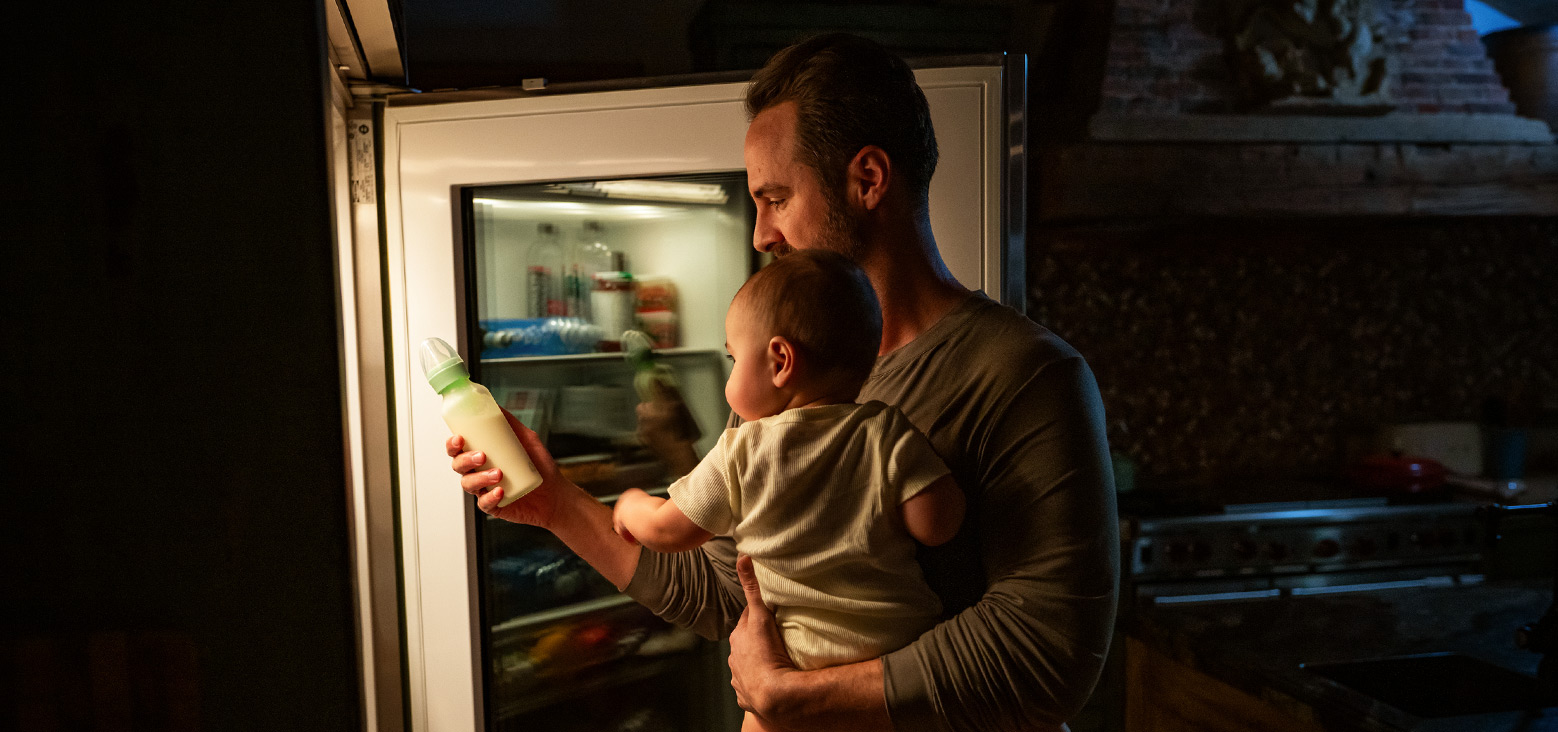
You do not need to warm infant formula before feeding. If your baby prefers a warm bottle, place the closed bottle in warm water or use a bottle warmer according to its instructions. Before feeding, test a few drops on the inside of your wrist to make sure the formula feels lukewarm, never hot. Never microwave formula, as uneven heating can create hot spots that may burn your baby’s mouth or throat.
This guide explains the safe ways to warm formula, check the temperature, and handle refrigerated bottles.
Do You Need to Warm Formula Before Feeding?
No. Infant formula does not need to be warmed before feeding. The CDC states that infant formula does not need to be warmed before feeding, so it can be offered at room temperature or cold from the refrigerator if your baby accepts it.
Some babies may prefer a warmer bottle, but warming is a matter of preference rather than a feeding requirement. Follow the preparation and storage directions on the formula label each time you prepare a feed.
How Do You Warm Formula Safely?
If your baby prefers warm formula, the best way to warm formula is with gentle, controlled heat. You can place the closed bottle in warm water, hold it under warm running water, or use a bottle warmer according to its instructions. Each method should warm the formula gradually rather than making it hot.
How to Warm Formula in a Bowl of Warm Water
- Prepare the formula exactly as directed on the product label.
- Keep the bottle closed.
- Place it in a bowl or container of warm water for a few minutes.
- Gently move or swirl the bottle to distribute the warmth evenly.
- Remove the bottle and test the formula before feeding.
Do not boil the formula or place the bottle directly over a heat source. If using a water bath, use warm water rather than boiling water.
How to Warm a Bottle Under Running Water
Hold the closed bottle under warm running water for a few minutes. Rotate or gently move it as it warms, keeping the water away from the nipple and bottle opening.
Test the formula before feeding to make sure it feels comfortably warm, not hot.
Can You Use a Bottle Warmer for Formula?
Yes. You can use a bottle warmer for formula if you follow the manufacturer’s instructions and check the temperature before feeding.
Cincinnati Children’s recommends using caution with bottle warmers because it can be difficult to reach the right level of warmth. Always follow the warmer’s directions for the bottle size and starting temperature, and avoid leaving the bottle in the warmer longer than instructed.
For parents who prefer a dedicated warming option, Munchkin® offers bottle warmers and other feeding accessories. Follow the product instructions each time, and make sure the formula feels comfortably warm rather than hot before feeding.
Can You Microwave Formula?
No. Never microwave infant formula or a baby bottle. Microwaves can heat liquid unevenly and create hot spots that may burn your baby’s mouth or throat, even when the bottle does not feel hot on the outside.
Both the CDC and FDA advise against microwaving formula for this reason. Shaking the bottle afterward does not make microwave heating a safe method. If you choose to warm formula, use warm water or a bottle warmer according to its instructions.
How Do You Check if Formula Is the Right Temperature?
Before feeding, test a few drops of formula on the inside of your wrist. The formula should feel comfortably warm, not hot. If it feels too hot, let it cool before offering the bottle.
If the formula feels too hot, let it cool before offering the bottle. You do not need to reach an exact temperature for routine feeding. The goal is simply to make sure the formula is not hot enough to cause a burn.
For broader infant-feeding guidance, hear pediatrician and lactation consultant Dr. Mona Amin discuss feeding stages in Munchkin’s Feeding Without Frustration episode.
Frequently Asked Questions
How long does it take to warm a bottle?
Warming time depends on the bottle size, starting temperature, and method you use. A warm-water bath usually takes a few minutes, while bottle-warmer timing varies by product. Follow the warmer instructions rather than relying on one set time for every bottle.
Can you reheat formula twice?
Do not reheat formula that your baby has already drunk from. Once feeding begins, use the formula within one hour and discard what remains. For an untouched prepared bottle, follow the formula label and applicable preparation and refrigeration limits rather than repeatedly warming and cooling it.
How do you warm refrigerated formula?
Refrigerated formula can be warmed using the same warm-water or bottle-warmer methods described above. If your baby accepts it cold, warming is not required. Follow the formula label and current storage time limits.
Once your baby starts drinking from the bottle, discard any remaining formula after the feeding rather than saving it for later. For more detail, see Munchkin’s guide on how long formula is good for.
How do you warm a bottle on the go?
Formula does not need to be warmed while you are away from home. If your baby prefers it warm and you have access to a safe warming option, use warm water or a bottle warmer according to its instructions, then check the temperature before feeding.
For formula preparation while traveling, follow the product label exactly for safe water, sanitation, storage, and discard instructions. Munchkin’s guide to what to pack in a diaper bag can help you plan feeding essentials for trips and outings.
This article is for general informational and educational purposes only and is not intended as medical advice. Warming formula is optional. Never use a microwave to warm a bottle, and always test the temperature before feeding so the formula is lukewarm and never hot, to avoid burns. Follow the preparation and storage directions on your formula's label, and consult your pediatrician with any questions. Breastfeeding is recommended as the best source of nutrition for most infants.
References
- U.S. Food and Drug Administration, Handling Infant Formula Safely: What You Need to Know - https://www.fda.gov/food/buy-store-serve-safe-food/handling-infant-formula-safely-what-you-need-know
- Centers for Disease Control and Prevention, Infant Formula Preparation and Storage - https://www.cdc.gov/infant-toddler-nutrition/formula-feeding/preparation-and-storage.html
- Cincinnati Children’s, Warming Breastmilk and Formula - https://www.cincinnatichildrens.org/health/b/breastmilk-warming-formula
Munchkin