What Is Grass-Fed Baby Formula?
6 min read
Published on 13 Nov 2026
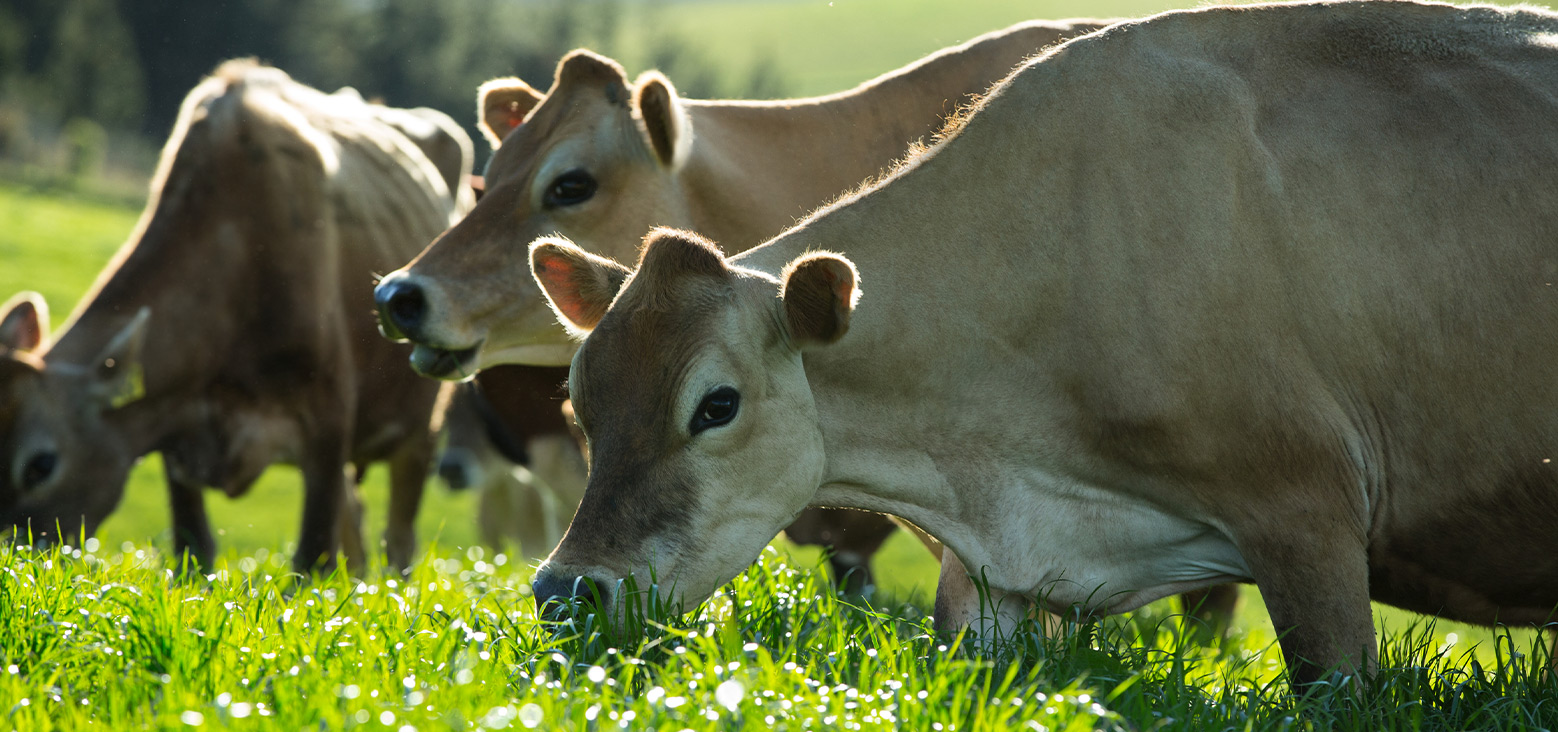
Grass-fed baby formula contains milk from cows fed grass or other forage, rather than a grain-heavy diet. The label describes the milk source, but it does not show that the finished formula offers better nutrition or health outcomes for babies.
If you are comparing options, understanding grass-fed claims, organic certification, and the complete formula label can help you make an informed choice.
What Is Grass-Fed Baby Formula?
Grass-fed describes the diet of the cows providing a formula’s milk. Forage includes plants cows graze and plants harvested for feed, such as hay, clover, and legumes. The claim applies to the dairy source, not every ingredient in the finished formula.
It also does not necessarily mean the cows spend every day grazing outdoors. A brand’s explanation may distinguish the cows’ feed from their access to pasture. This distinction matters when you compare grass-fed and pasture-raised baby formula claims.
How Is Grass-Fed Formula Different From Organic Formula?
Grass-fed and organic describe different things. Grass-fed refers to the cows’ diet, while USDA Organic certification covers how agricultural ingredients are produced and handled. A formula can be made with grass-fed milk, organic milk, or milk that is both.
Under USDA Organic pasture rules, organic dairy cows must graze for at least 120 days a year and obtain at least 30% of their dry matter intake from pasture during the grazing season. Organic certification does not mean the cows eat only grass. For a fuller explanation of the certification, read what parents should consider when choosing organic formula.
The labels answer different questions:
|
Label term |
What it describes |
What it does not establish |
| Grass-fed | How the cows providing the milk are fed | A nutritional or health benefit from the finished formula |
| USDA Organic | Certified production and handling practices | That cows eat only grass |
“Grass-fed” does not have a single certification standard for infant formula comparable to USDA Organic. Check whether a brand explains its cows’ feeding practices or identifies a certification supporting the claim. Regardless of milk sourcing, formulas sold in the United States must meet applicable FDA infant-formula requirements.
Is Grass-Fed Formula Better for Babies?
Grass-fed milk sourcing has not been shown, by itself, to improve outcomes for babies fed the finished formula. It may reflect a sourcing preference for your family, but the label does not establish a benefit for digestion, growth, or development.
Cow-feeding practices can affect raw milk composition. A study comparing pasture and indoor feeding systems found differences in the milk’s fatty acid profile. Researchers measured cow’s milk, not infant formula, and did not measure health outcomes in babies.
The finished formula contains other ingredients and should be assessed as a complete product. If your baby has persistent feeding difficulties, abnormal stools, or a suspected allergy, ask your pediatrician which formula is appropriate rather than choosing based on a grass-fed claim.
“Differences in the initial fatty acid makeup of cow’s milk do not directly correspond to specific nutritional or health benefits, given that the finished infant formula undergoes extensive processing, blending with other fats, and composition balancing.”
-Alexis Berkovits, MD
What Should You Check Before Choosing a Grass-Fed Formula?
Start with the exact wording of the grass-fed claim. Check whether it applies to the primary milk ingredient (whole milk, skim milk) or protein fractions (whey protein, casein protein). Also investigate what the brand says about the cows’ diet and whether it names a certification you can verify. If pasture access matters to you, look for that information separately.
Next, read the complete formula label. Check the intended age range and ingredients, along with any information relevant to your baby’s needs. For a broader decision guide, read how to choose baby formula.
If your baby was born prematurely, has a suspected allergy, or has ongoing feeding difficulties, ask your pediatrician for individual guidance. A grass-fed claim cannot predict how your baby will respond to a formula.
Where Does Munchkin® Formula Fit?
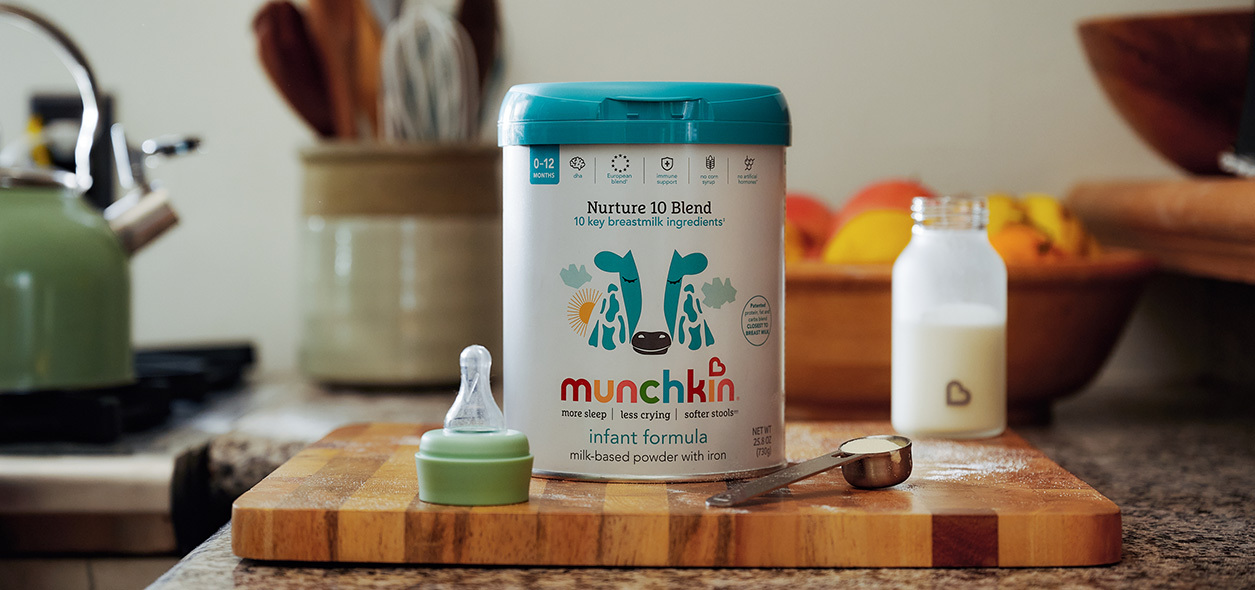
Munchkin® Infant Formula Made with Organic Milk is made with USDA Organic milk from grass-fed New Zealand cows. That sourcing claim applies to the Organic Milk variant. It should not be assumed to apply to Munchkin® Infant Formula Made with Original Milk.
Frequently Asked Questions
Does grass-fed formula contain more omega-3s?
A study of pasture-fed and indoor-fed cows found differences in their milk’s fatty acid profiles. That finding does not establish the omega-3 content of a finished infant formula or a benefit for babies. Check the specific formula’s label and supporting evidence.
Is grass-fed formula worth a higher price?
It may be worth paying more if the sourcing practices matter to your family and the product fits your budget. Price and a grass-fed label do not establish superior nutrition. Compare complete formulas, and ask your pediatrician about any specific feeding needs.
Is grass-fed formula suitable for a baby with a cow’s milk allergy?
Grass-fed cow’s milk still contains cow’s milk proteins. The label does not make standard cow’s milk formula suitable for a baby with a cow’s milk allergy. If you suspect an allergy, ask your pediatrician about appropriate formula options.
This article is for general informational and educational purposes only and is not intended as medical advice. Breastfeeding is recommended as the best source of nutrition for most infants. Always consult your pediatrician about your baby’s feeding, formula choice, and any health concerns, especially if your baby was born prematurely, has allergies, or any underlying health condition.
References
- U.S. Department of Agriculture, National Agricultural Library, Forage - https://lod.nal.usda.gov/nalt/en/page/6298
- U.S. Department of Agriculture, USDA Certified Organic: Understanding the Basics - https://www.ams.usda.gov/services/organic-certification/organic-basics
- U.S. Department of Agriculture, Access to Pasture Rule for Organic Livestock: Frequently Asked Questions - https://www.ams.usda.gov/sites/default/files/media/Organic-AccesstoPastureFAQ.pdf
- U.S. Food and Drug Administration, Questions & Answers for Consumers Concerning Infant Formula - https://www.fda.gov/food/people-risk-foodborne-illness/questions-answers-consumers-concerning-infant-formula
- Journal of Dairy Science, Effect of Pasture Versus Indoor Feeding Systems on Raw Milk Composition and Quality Over an Entire Lactation - https://pubmed.ncbi.nlm.nih.gov/27720161/
- U.S. Food and Drug Administration, Infant Formula Information for Parents & Caregivers - https://www.fda.gov/food/infant-formula-homepage/infant-formula-information-parents-caregivers
- American Academy of Pediatrics, Choosing a Baby Formula - https://www.healthychildren.org/English/ages-stages/baby/formula-feeding/Pages/Choosing-an-Infant-Formula.aspx

Dr. Alexis Berkovits
Pediatrician