Can Babies Drink Cold Formula? What Parents Should Know
5 min read
Published on 2 Nov 2026
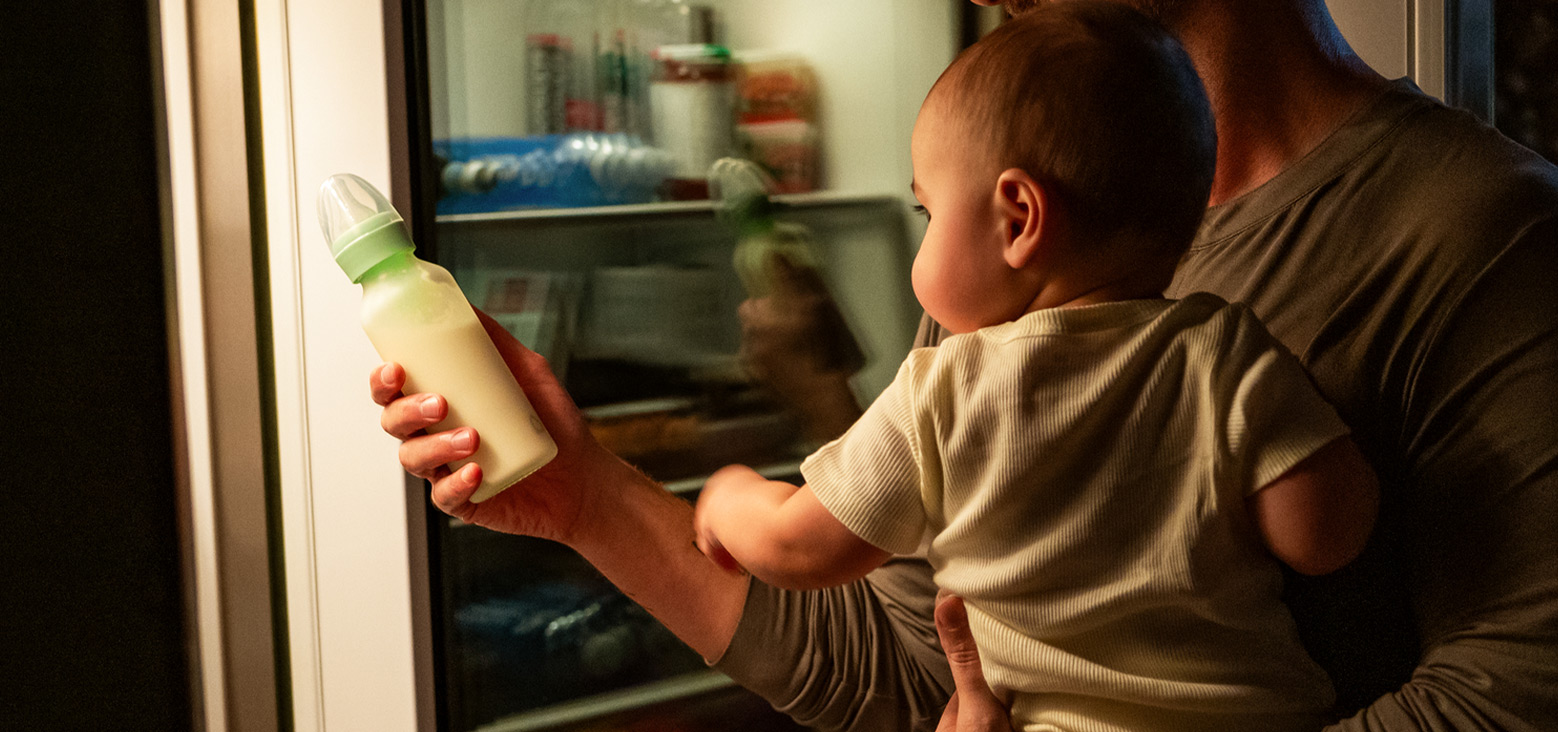
Yes, most healthy, full-term babies can drink cold formula if you prepare and store it safely. Formula does not need to be warmed before feeding.
The CDC recommends extra preparation precautions for babies younger than two months, born prematurely, or with a weakened immune system. These precautions include preparing powdered formula with very hot water to reduce the risk of harmful bacteria, then cooling it to a safe temperature before feeding.
Is Cold Formula Safe for Babies?
Once prepared formula has cooled to a safe feeding temperature, you can offer it then or refrigerate an untouched bottle to serve cold later. Your baby’s serving-temperature preference is separate from the steps needed to prepare powdered formula safely.
Follow the formula label for the correct amount of water and powder, and use water from a safe source. The CDC recommends extra preparation precautions for babies younger than two months, born prematurely, or with a weakened immune system. If those precautions involve hot water, let the prepared formula cool before feeding so it cannot burn your baby’s mouth.
Can Formula Go Straight From the Fridge?
Yes. You can offer an untouched, properly refrigerated bottle without warming it. If you do not plan to feed your baby immediately, refrigerate the prepared formula promptly and use it within 24 hours of preparation. Formula left at room temperature must be used within two hours of preparation.
Once your baby starts drinking, use the formula within one hour and discard any that remains. Do not save a partly used bottle for another feeding. Munchkin’s formula storage guide covers other storage situations.
Is Warm Formula Better for Digestion?
Warming formula is not an established way to improve digestion. Some babies readily accept a cold bottle, while others prefer it at room temperature or lukewarm. If your baby turns away from a cold bottle, try another serving temperature and watch whether they feed comfortably.
Persistent gas, vomiting, or feeding difficulties deserve a conversation with your pediatrician. Bottle temperature alone may not explain those symptoms.
If your baby usually drinks warm formula, a cold bottle may be unfamiliar at first. You can offer it at room temperature and see what your baby accepts. There is no need to keep every bottle at an identical temperature for a healthy baby.
How Do You Warm Formula Safely?
If your baby prefers a warm bottle, use gentle heat and check the formula before feeding. The FDA recommends warm water and warns against microwaving formula. www.fda.gov
- Keep the bottle closed. Place it in a bowl of warm water, hold it under warm running water, or use a bottle warmer according to its instructions. Keep warm running water away from the nipple and bottle opening.
- Gently swirl the bottle to distribute the warmth.
- Put a few drops on the inside of your wrist. The formula should feel lukewarm, never hot.
Never microwave formula. A microwave can heat it unevenly, creating hot spots that may burn your baby’s mouth even when the bottle feels cool.
If you regularly warm bottles, the Munchkin® Precision™ Bottle Warmer & Sterilizer offers a dedicated option. Follow its instructions and check every bottle before feeding.
For more detail, see Munchkin’s guide to warming formula safely.
When Should You Ask Your Pediatrician?
If your baby was born prematurely, is younger than two months, or has a weakened immune system, ask your pediatrician about any extra precautions for preparing powdered formula.
Contact them if your baby repeatedly refuses feeds or has persistent symptoms rather than assuming serving temperature is the cause.
Frequently Asked Questions
Can I switch my baby from warm formula to cold formula?
You can offer a cooler bottle and see whether your baby accepts it. If they refuse, try room-temperature formula. You do not need to change the formula itself simply because your baby prefers a different serving temperature. The FDA says formula does not need to be warmed.
Do I need to leave cold formula out before feeding?
No. If the formula was prepared and stored safely, you can offer it straight from the refrigerator if your baby accepts it. There is no need to leave the bottle out until it reaches room temperature. Follow the CDC’s prepared-formula time limits.
Can I take prepared cold formula on an outing?
Yes, if you can keep the prepared bottle cold during the outing. Pack it with ice packs in an insulated bag and follow the CDC’s prepared-formula storage limits.
For practical packing tips, use Munchkin’s guide to traveling with baby formula.
This article is for general informational and educational purposes only and is not intended as medical advice. Breastfeeding is recommended as the best source of nutrition for most infants. Always consult your pediatrician about your baby’s feeding, formula choice, and any health concerns, especially if your baby was born prematurely, has allergies, or has any underlying health condition.
References
- U.S. Food and Drug Administration, Handling Infant Formula Safely: What You Need to Know - https://www.fda.gov/food/buy-store-serve-safe-food/handling-infant-formula-safely-what-you-need-know FDA
- Centers for Disease Control and Prevention, Infant Formula Preparation and Storage - https://www.cdc.gov/infant-toddler-nutrition/formula-feeding/preparation-and-storage.html CDC
- U.S. Food and Drug Administration, Infant Formula: Safety Do’s and Don’ts - https://www.fda.gov/consumers/consumer-updates/infant-formula-safety-dos-and-donts
Munchkin